US Space Force relocates final GPS III launch to SpaceX following Vulcan hold
Space Force shifts final GPS III launch to SpaceX after ULA Vulcan anomaly to preserve delivery timelines.
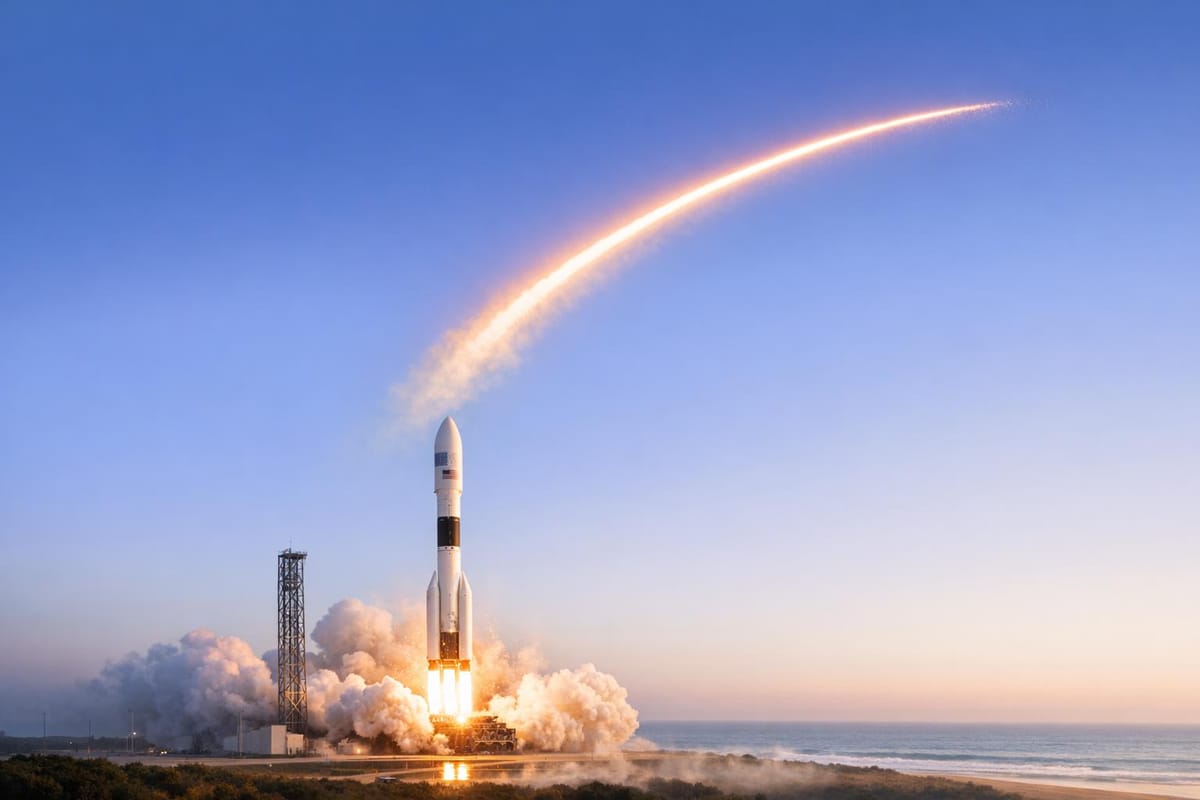
The United States Space Force has announced a change in launch provider for the final GPS III satellite, shifting the mission to SpaceX's Falcon 9 rocket due to ongoing concerns with United Launch Alliance's (ULA) Vulcan rocket. This decision aims to uphold the critical deployment timeline of the GPS III program, which delivers vital positioning, navigation, and timing (PNT) capabilities.
Launch reassigned amid Vulcan investigation
The GPS III-8 mission, carrying Space Vehicle 10 (SV-10), was originally slated to launch aboard ULA’s Vulcan Centaur. However, with ULA actively investigating booster anomalies identified in recent Vulcan flights, the Space Force opted to reassign the mission to SpaceX. According to Space Systems Command, the launch is now scheduled for no earlier than late April 2026.
While Vulcan launches achieved orbit and completed primary objectives, the Space Force has paused its use for national security missions until further analysis is complete. This reassignment is part of the Space Force’s broader strategy to ensure reliable and timely satellite deployment.
Prioritizing GPS modernization timelines
Maintaining the delivery schedule for GPS III satellites has been a consistent focus for the Space Force. The GPS III series is designed to enhance user experiences with improved accuracy, stronger anti-jamming capabilities through M-code, and better signal integrity for both military and civilian applications.
Officials described the decision as an example of the "launch provider exchange" strategy within the National Security Space Launch (NSSL) program, a system designed to provide flexibility by certifying GPS III satellites for multiple launch vehicles. Recent missions have also employed this approach. For instance, the earlier SV-09 satellite launch, conducted in January 2026, was similarly reassigned from Vulcan to Falcon 9.
Vulcan's role within NSSL remains intact
Although the investigation into Vulcan boosters affects the upcoming GPS III-8 mission, ULA remains a crucial partner in the NSSL program. The Space Force emphasized that this reassignment does not signify a broader departure from Vulcan’s role within its dual-lane launch strategy. Notably, Vulcan is still expected to handle the USSF-70 mission, currently slated for 2028, and continues to have numerous missions assigned in the years ahead.
A milestone for GPS III, a transition to what’s next
The upcoming launch of SV-10 will mark the conclusion of the GPS III Block III series, a 10-satellite modernization effort led by Lockheed Martin. With nine satellites already in orbit, SV-10’s deployment will pave the way for the next-generation GPS IIIF series. The GPS IIIF satellites are expected to introduce advanced features, including enhanced regional military support and search-and-rescue payloads.
For now, the Space Force remains focused on ensuring the continuity of PNT services. Officials have highlighted the importance of responsive launch practices and the flexibility to interchange providers as necessary, demonstrating their commitment to managing operational priorities effectively.
Comments ()