SpaceX reaches milestone with 10,000 Starlink satellites in orbit
SpaceX reached 10,000 Starlink satellites; Polymarket bets on a likely 2026 IPO and trillion-dollar valuation.
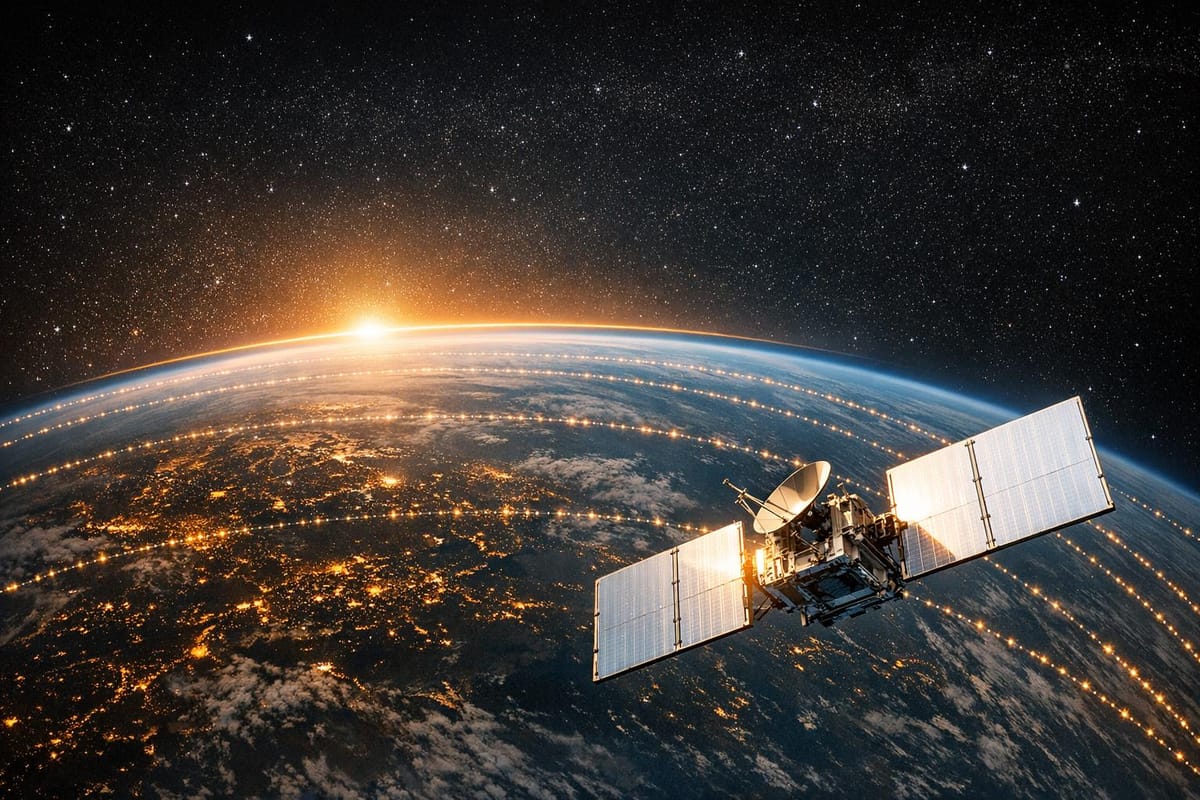
SpaceX, led by Elon Musk, has achieved a significant milestone in its ambitious space endeavors. This week, the company successfully deployed more than 10,000 active Starlink satellites into orbit following back-to-back Falcon 9 launches. The achievement underscores Starlink’s pivotal role as a core revenue driver for SpaceX and fuels speculation about what could become the largest initial public offering (IPO) in history.
Starlink's key role in SpaceX's future
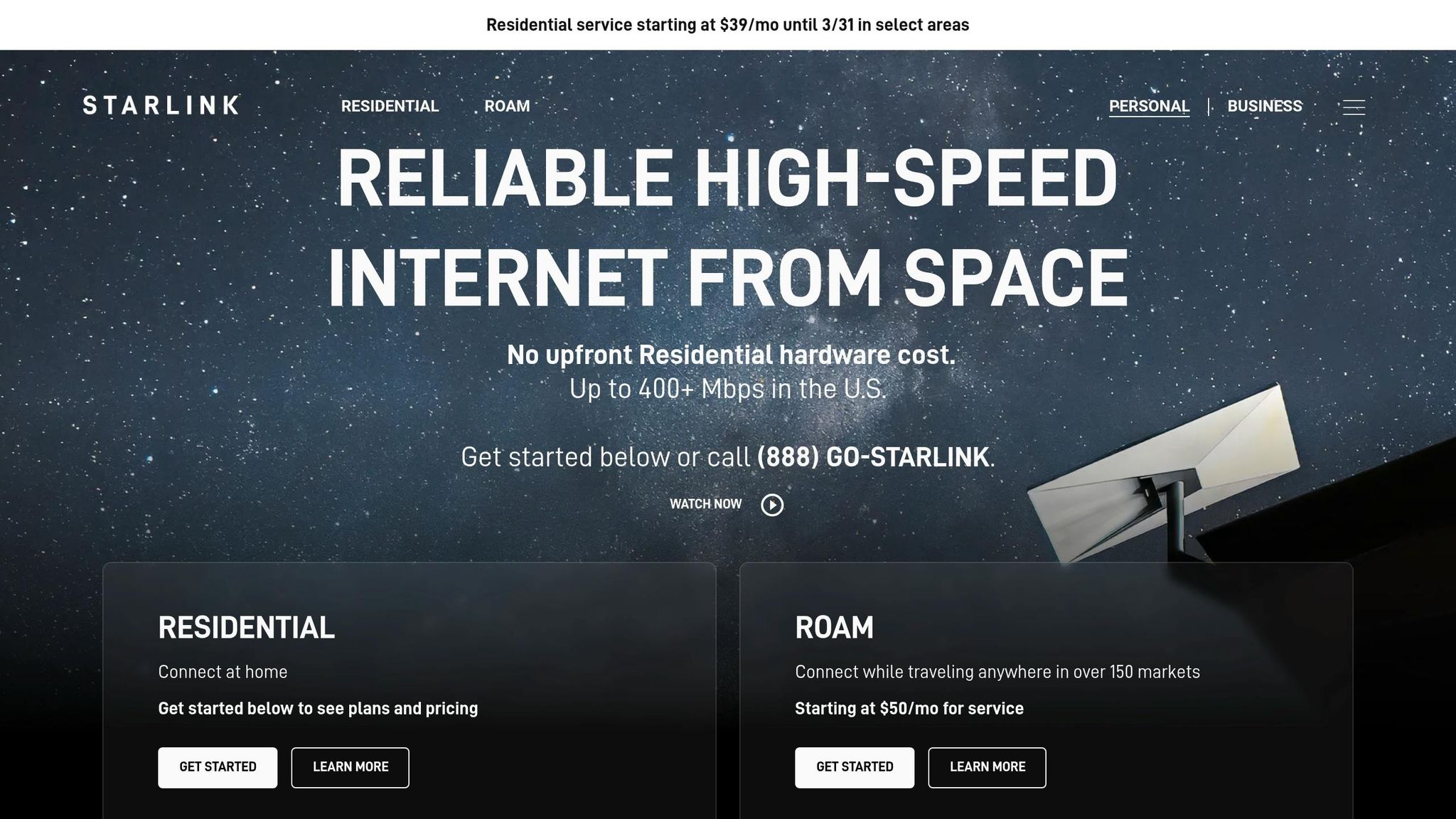
Starlink, SpaceX’s satellite internet service, has become a major financial engine for the company, generating substantial profits. Last year alone, SpaceX reportedly booked roughly $8 billion in profit on revenues between $15 billion and $16 billion, with Starlink accounting for most of this success. Analysts at Payload Space predict that SpaceX’s revenue could reach $24 billion in 2026, further solidifying Starlink’s importance as the centerpiece of SpaceX’s financial strategy.
Market betting on a historic IPO
The milestone comes as prediction markets like Polymarket are buzzing with speculation about SpaceX’s IPO. Polymarket traders are betting heavily on the IPO, with an 87% implied probability that SpaceX will debut as the largest IPO by market capitalization in 2026. Additionally, Polymarket suggests a 60% chance that the IPO could take place by June 30, making a summer launch the most likely scenario.
Multiple investment firms are vying for the coveted role of lead underwriter. Goldman Sachs currently leads the race with a 57% chance of securing the position, overtaking Morgan Stanley, which previously held the top spot. Both firms have longstanding ties with Musk, including co-underwriting Tesla’s 2010 IPO and Morgan Stanley financing Musk’s 2022 acquisition of Twitter.
Predictions and financial expectations
As anticipation mounts, the numbers being discussed are staggering. Polymarket’s contracts suggest a 92% chance that SpaceX will end its first trading day with a market capitalization exceeding $1 trillion. Another contract places the likelihood of reaching a $2 trillion valuation at 45%. According to Reuters, SpaceX is reportedly targeting a valuation of approximately $1.75 trillion and could raise as much as $50 billion during its IPO. For comparison, Saudi Aramco currently holds the record for the largest IPO, debuting in 2019 with a valuation of $1.7 trillion.
Even with its projected revenue growth, pricing expectations for SpaceX’s IPO suggest lofty valuation multiples. If the company achieves the estimated $24 billion in revenue for 2026, the forward price-to-sales multiple would still exceed 70x. By contrast, Tesla trades at approximately 16x trailing sales, and Saudi Aramco’s debut valuation was closer to 6x sales.
Challenges and new ventures
SpaceX’s plans for future growth include the integration of xAI, Musk’s artificial intelligence company, which merged with SpaceX in February. The merger valued SpaceX at $1 trillion and xAI at $250 billion, with Musk describing the move as a step toward creating orbital data centers. However, xAI has faced challenges, including high costs - reportedly burning $1 billion per month - and the departure of multiple co-founders. Musk acknowledged these difficulties, stating on X (formerly Twitter) that xAI "was not built right first time around, so is being rebuilt from the foundations up." Despite this, Musk remains confident, asserting that SpaceX will "far exceed everyone combined" in the race for AI dominance.
Looking ahead
SpaceX’s achievement of 10,000 active Starlink satellites in orbit highlights the company’s rapid progress and ambitious goals. As the space industry continues to evolve, all eyes are on SpaceX and its potential IPO, which could reshape financial markets while further solidifying its role as a leader in both space exploration and global connectivity.
Comments ()