SpaceX Test Flight Endangers Passenger Jets in Caribbean Explosion
FAA documents say SpaceX's failed January Starship test scattered debris, endangering three aircraft and about 450 passengers.
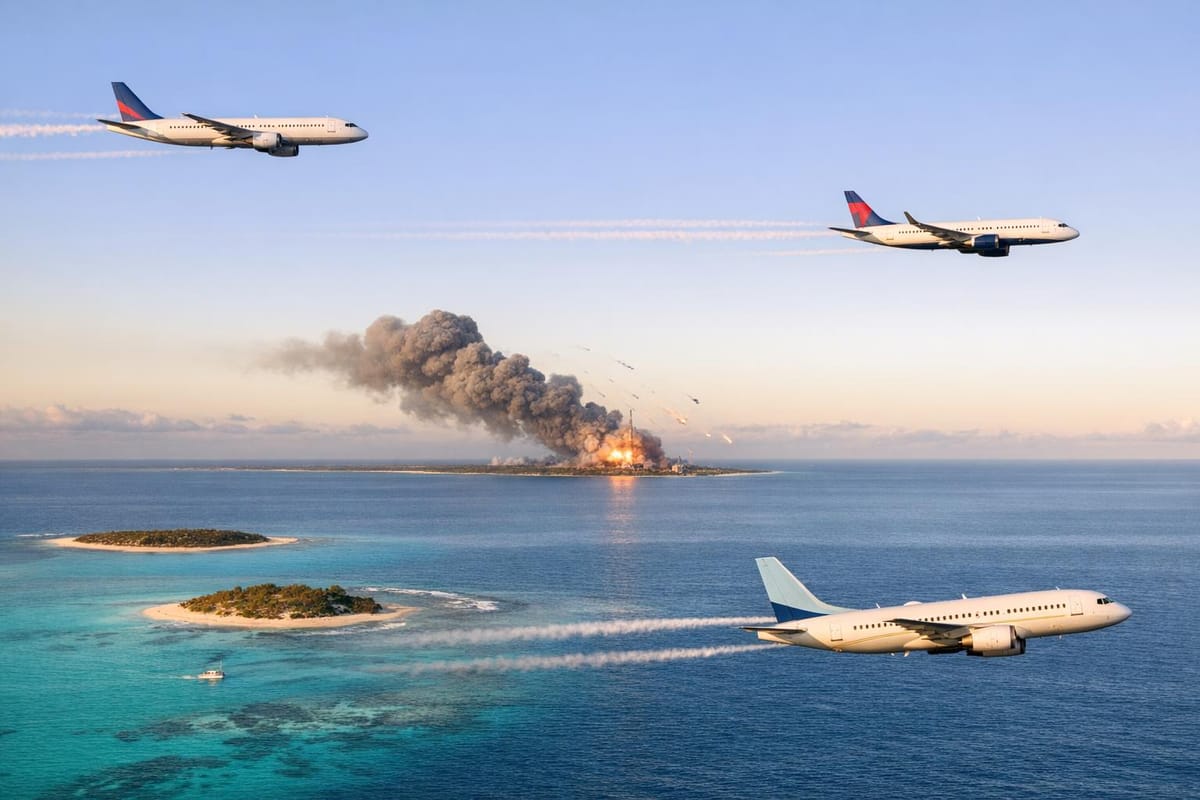
A SpaceX rocket test earlier this year created hazardous conditions for several passenger flights when it unexpectedly exploded over the Caribbean, according to newly released documents from the Federal Aviation Administration (FAA). The incident, which occurred in January, involved the seventh uncrewed launch of SpaceX's Starship, a spacecraft propelled by the most powerful rocket ever built.
The FAA report reveals that the explosion scattered debris across the skies, endangering three flights: two commercial airliners and a private jet carrying approximately 450 passengers in total. Air traffic controllers scrambled to manage the chaos, directing the flights away from a sudden no-fly zone created by the explosion.
Close Calls in the Skies
One particularly alarming account detailed how a JetBlue flight to San Juan was told by air traffic controllers that its journey could only proceed "at your own risk." The FAA document also described how another commercial plane from Iberia Airlines, along with a private jet, dangerously approached one another after being redirected. Controllers had to issue urgent warnings to ensure the aircraft safely changed course.
In one of the most harrowing moments, a pilot repeatedly declared "mayday" three times to an air traffic controller before successfully making an emergency landing in San Juan. Despite the tense situation, all three aircraft landed safely without damage or injuries to passengers or crew.
Delayed Communication Raises Questions
The FAA report also criticizes SpaceX for allegedly failing to notify air traffic control immediately after the explosion. Instead, air traffic controllers in Miami only learned of the debris hazard when alerted by other pilots who had encountered it mid-flight.
The mishap unfolded less than 10 minutes after the rocket launched from Texas. SpaceX ground staff reportedly lost contact with the 400-foot-tall spacecraft around eight minutes into its flight, before it exploded and released debris over the Caribbean.
SpaceX’s Response and Musk’s Remarks
In a statement issued following the explosion, SpaceX acknowledged the failure, stating that "Starship experienced a rapid unscheduled disassembly during its ascent burn. Teams will continue to review data from today’s flight test to better understand root cause."
The company emphasized the importance of learning from the test, adding, "With a test like this, success comes from what we learn, and today’s flight will help us improve Starship’s reliability."
Elon Musk, SpaceX’s CEO, later commented on the event via a post on X, the social media platform he owns, saying, "Success is uncertain, but entertainment is guaranteed."
Fallout from the Incident
While the FAA report highlights the potential danger to over 450 passengers in the incident, it also notes that no injuries or damage ultimately occurred. The exact cause of the explosion and the communication lapse remain under investigation, as SpaceX and federal authorities work to prevent similar issues in future launches.
The January event is a reminder of the risks associated with advancing space exploration technology, even as SpaceX continues to push the boundaries of rocket engineering. For now, the focus remains on ensuring that such incidents do not endanger lives beyond the Earth’s atmosphere.
Comments ()