SpaceX confirms Starlink satellite anomaly days before Artemis II launch
SpaceX says Starlink satellite 34343 went dark at 560 km but poses no risk to ISS or Artemis II; debris being monitored.
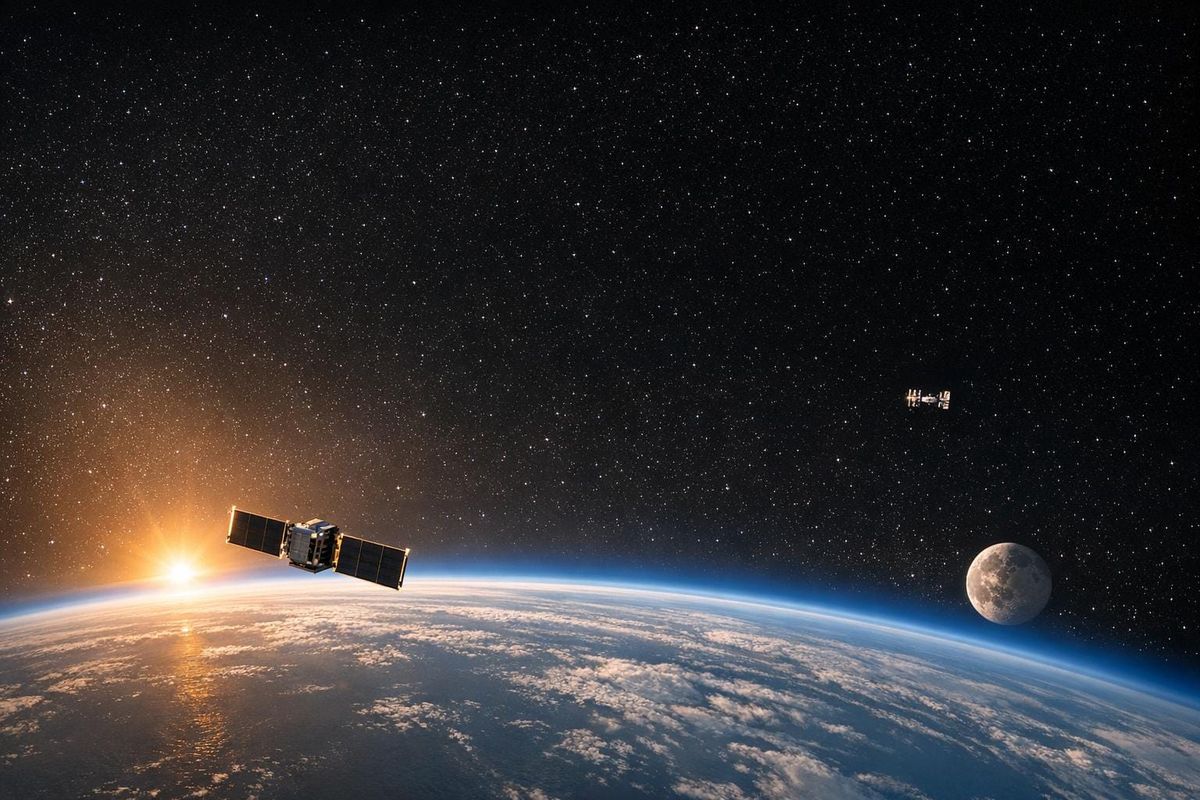
SpaceX has reported an on-orbit anomaly involving one of its Starlink satellites, but the company has assured that the incident does not pose any risks to space missions, including NASA's upcoming Artemis II launch. The issue was detected on Sunday at an altitude of approximately 560 kilometers above Earth.
In a statement released Monday, Starlink said, "Latest analysis showed that the event poses no new risk to the International Space Station, its crew, or to the launch of NASA's Artemis II mission." This reassurance comes just days ahead of the much-anticipated Artemis II launch, NASA’s first crewed mission to the Moon in decades, planned for April 1.
Satellite Monitoring Underway
Starlink has identified the affected spacecraft as satellite 34343 and is actively tracking it along with any potential debris. The company confirmed it is coordinating closely with the U.S. Space Force and NASA as part of ongoing monitoring efforts. Additionally, SpaceX is working to "determine root cause and will rapidly implement any necessary corrective actions."
sbb-itb-6fb0794
Other Space Missions Unaffected
Despite the anomaly, SpaceX stated that its other missions remain unaffected. The Falcon 9 Transporter-16 rideshare mission, which launched Monday morning, successfully deployed payloads at various altitudes around the Starlink constellation.
The incident occurs as SpaceX, owned by Elon Musk, prepares for a potential stock market debut that could value the company at up to $1.75 trillion, a move that, if realized, would mark the largest IPO in history.
No Threat to Artemis II
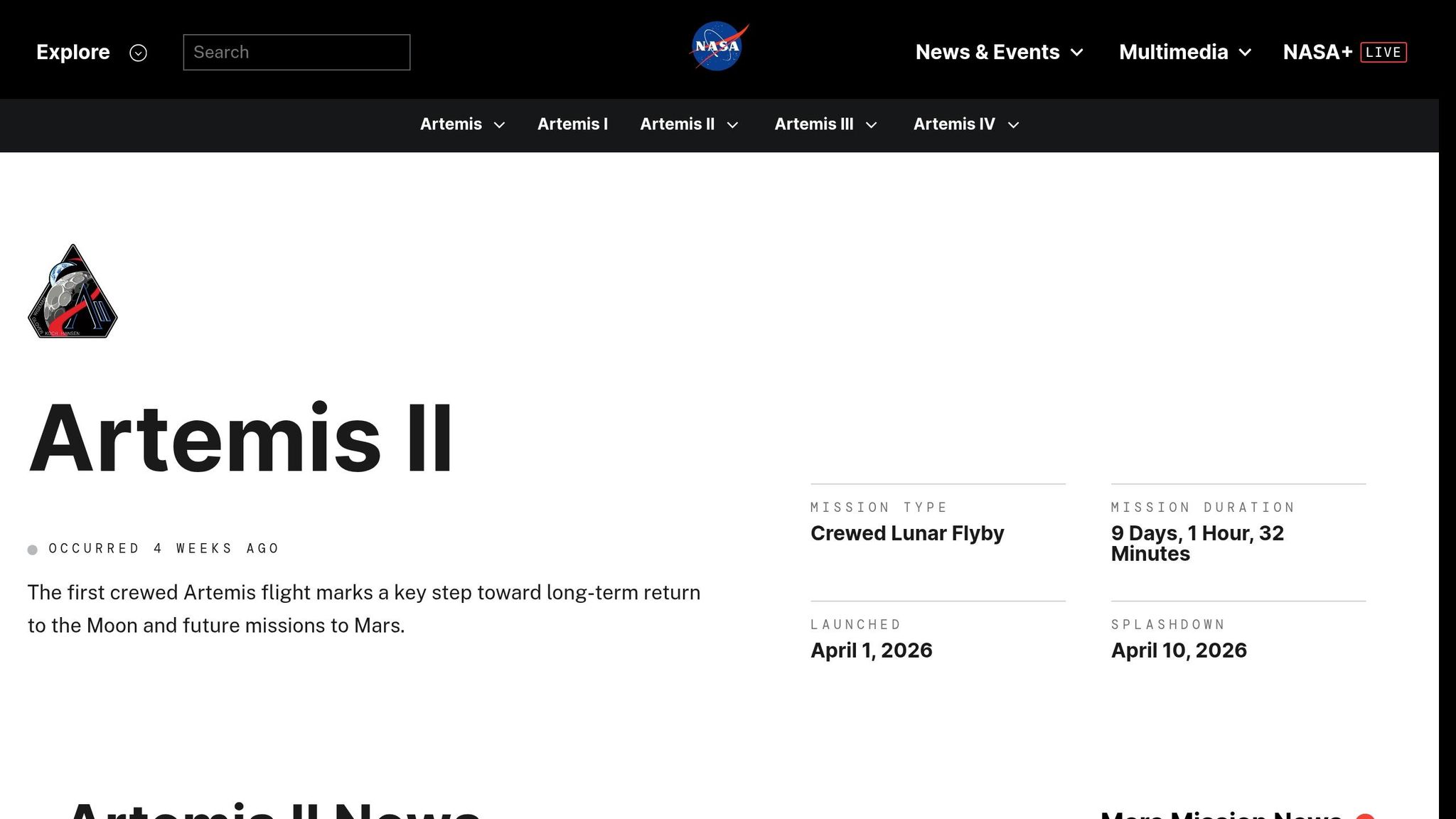
As the clock counts down to NASA’s Artemis II launch, SpaceX's confirmation that the anomaly poses "no new risk" offers reassurance to the space community. Both NASA and SpaceX remain focused on their respective missions, with the Artemis program set to mark a historic milestone in human space exploration.
Comments ()