SpaceX Attributes Second Starlink Satellite Incident to Anomaly
SpaceX reports Starlink 34343 anomaly on March 29; lost communications, no immediate risk to ISS or Artemis II.
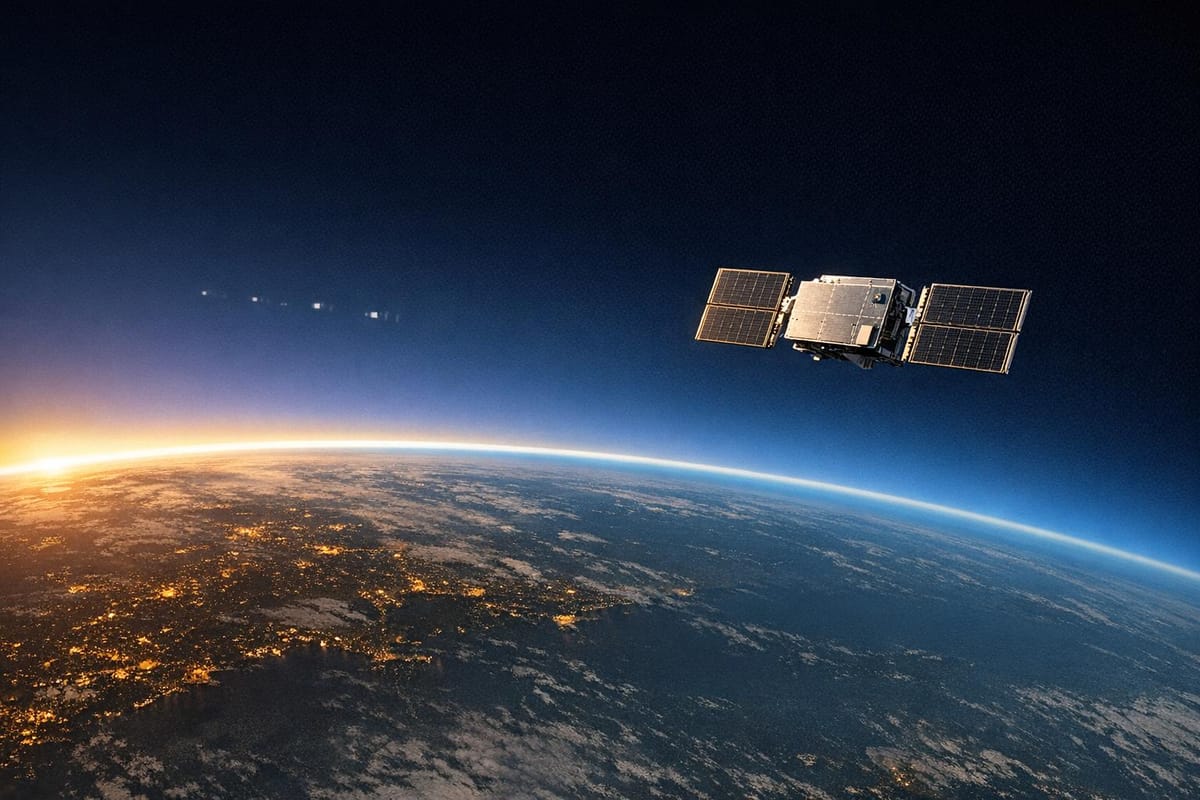
SpaceX has reported another malfunction within its growing Starlink satellite constellation, marking the second such incident in just over three months. On March 29, the Starlink 34343 satellite experienced what the company described as an "anomaly" while operating at an altitude of 560 kilometers above Earth. This issue resulted in the satellite losing communication and control, potentially transforming it into what is often referred to as a "zombie satellite." Without communication or propulsion capabilities, the satellite is now expected to gradually descend due to atmospheric drag.
This latest malfunction follows a similar incident that occurred on December 17, when another Starlink satellite, identified as 35956, suffered propulsion tank venting, a 4-kilometer orbital decay, and released several pieces of trackable debris while at an altitude of 418 kilometers. At the time, SpaceX also labeled that event as an anomaly and has yet to provide an update on the root cause of either failure.
No Immediate Risk to NASA Missions or ISS

According to SpaceX, the March 29 anomaly does not pose an immediate threat to the International Space Station (ISS) or NASA's Artemis II mission, which is set to launch as part of the agency's renewed lunar exploration efforts. The company emphasized in a statement, "Its ‘latest analysis shows the event poses no new risk to the Space Station, its crew, or to the upcoming launch of NASA’s Artemis II mission.’"
The ISS orbits at approximately 400 kilometers, which is well below the 560-kilometer altitude of the affected Starlink 34343 satellite. The collision risk would only emerge during the satellite’s eventual descent, which may occur far in the future. This timeline provides organizations such as NASA, SpaceX, and the U.S. Space Force sufficient opportunity to monitor and respond if the situation changes. Additionally, SpaceX’s passive deorbiting design ensures that any defunct satellites will eventually burn up completely upon reentry, avoiding long-term clutter in orbit.
Growing Constellation Raises Concerns
The Starlink satellite network continues to grow rapidly, with SpaceX currently operating over 9,500 satellites - representing about 65% of all active satellites in orbit. This rapid expansion has reignited debates over transparency and international notification practices following incidents like those in December and March. Critics have pointed to the lack of disclosed details regarding the root causes of these anomalies, despite the company’s announcements of the mishaps.
Interestingly, SpaceX resumed its satellite launches just hours after confirming the March 29 anomaly, deploying 29 new Starlink satellites into orbit. This contrasts with the company’s response to the December 17 incident, after which no new Starlink satellites were launched for two weeks.
Conclusion
While SpaceX's rapid deployment and passive deorbiting measures have mitigated some of the risks associated with its expansive Starlink network, the recurrence of satellite malfunctions highlights the need for continued investigation and greater transparency. As the largest operator in orbit, SpaceX faces increasing scrutiny over its handling of anomalies and the potential implications for other orbital operations. For now, however, the company has reassured stakeholders that its recent issues pose no immediate threat to critical assets like the ISS or NASA’s Artemis II mission.
Comments ()