SpaceX receives first investment-grade credit ratings
SpaceX received investment-grade ratings from Moody's, Fitch and S&P days after its $85.7B IPO.
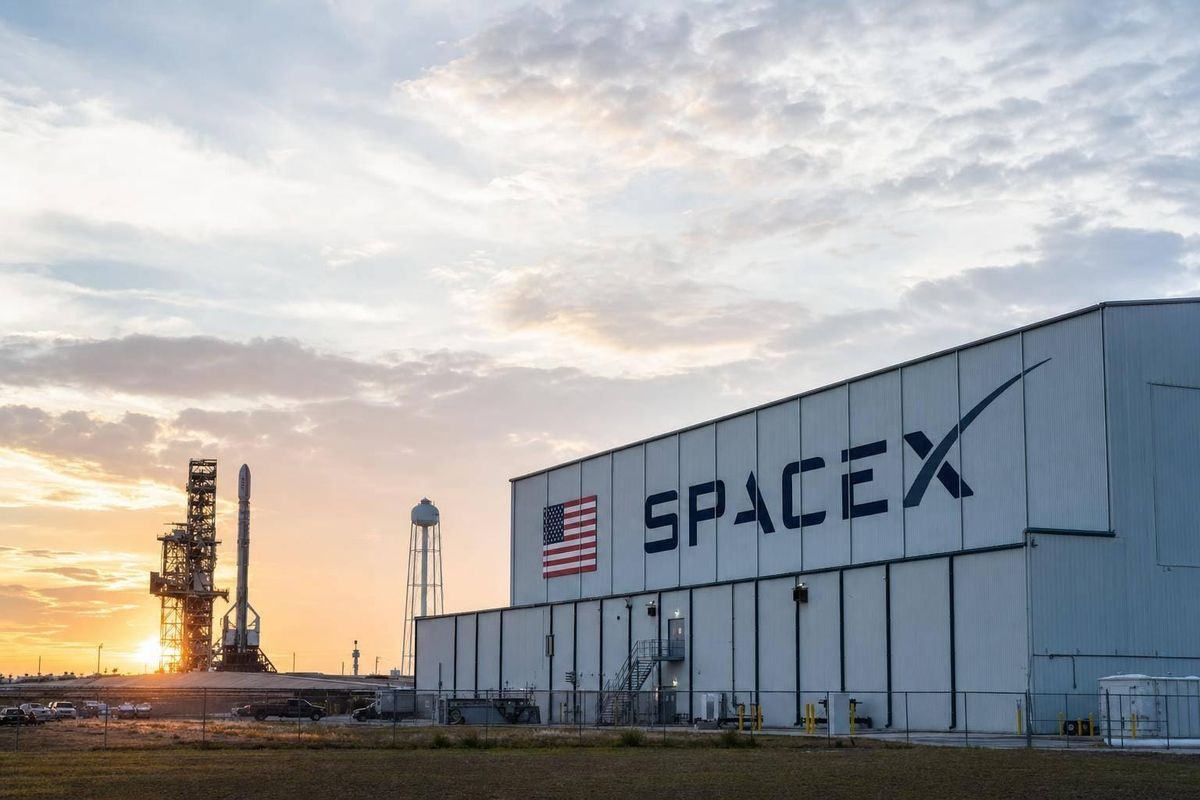
SpaceX has received its first investment-grade credit ratings from Moody's, Fitch, and S&P Global, marking a new step for the company less than a week after its record initial public offering.
All three agencies assigned stable outlooks. The ratings place SpaceX debt in investment-grade territory and, according to the source article, could help the company borrow more cheaply as it pursues a large expansion.
The credit assessments came after SpaceX's IPO raised roughly $85.7 billion (EUR73.8bn), described in the source article as the biggest IPO ever conducted.
Ratings from all three agencies
Moody's assigned SpaceX a Baa1 long-term issuer rating with a stable outlook. The agency said the rating reflects the company's position as the leading orbital launch provider and operator of Starlink, which it described as the largest low Earth orbit satellite broadband network. The source article said the rating is slightly above Tesla's Baa3.
In a social media response, Elon Musk stated that Tesla's credit rating is, frankly, ridiculously low.
Fitch gave SpaceX a BBB+ long-term issuer default rating with a stable outlook. The agency cited the company's strong commercial launch position, noting that it has carried more than 80% of global mass to orbit since 2023.
S&P Global assigned a BBB rating, also with a stable outlook. According to the source article, S&P weighed the strength of SpaceX's launch and connectivity businesses against uncertainty surrounding its developing AI operations and its large capital needs.
sbb-itb-6fb0794
Starlink, AI, and key risks
Moody's said Starlink has become SpaceX's main source of cash flow, helping increase scale and margins while reducing reliance on the more cyclical launch business. The agency also pointed to major risks, including the execution and financing demands of SpaceX's AI expansion, high capital intensity, continued negative free cash flow, and uncertain returns.
The rating agency also flagged SpaceX's dependence on the next-generation Starship V3 vehicle, saying technical setbacks or delays could limit long-term growth. It further identified governance concerns tied to the company's controlled structure and concentrated voting power, which the source article said restrict independent board oversight and leave the business heavily reliant on Elon Musk.
Still, Moody's said it expects strong revenue and earnings growth through 2028, driven mainly by Starlink and a projected turning point in the AI business. The source article said Starlink had 12 million subscribers as of early June. Moody's also pointed to recent third-party compute agreements with Anthropic and Google totaling $75 billion (EUR65bn).
Market reaction after the IPO
The ratings did not stop a further decline in SpaceX shares on Thursday. The stock closed at $185, down more than 18% from its peak of $225.6 reached on Tuesday, when its valuation briefly topped $3 trillion (EUR2.6tn). During the session, the shares fell as low as $172 before recovering part of the loss.
The pullback changed SpaceX's standing among the world's largest public companies. The source article said the company returned to sixth place by market capitalization after earlier rising above Amazon into fifth and briefly surpassing Microsoft for fourth at its intraday high.
Even after the decline, the source article said SpaceX remains among the world's most valuable publicly traded companies just one week after becoming public, while the new investment-grade ratings from the three major agencies mark a significant shift in how financial markets assess the company.
Comments ()