SpaceX successfully launches 29 Starlink satellites into orbit
SpaceX launched 29 Starlink V2 Mini satellites from Cape Canaveral; booster B1078 landed on the drone ship ASOG.
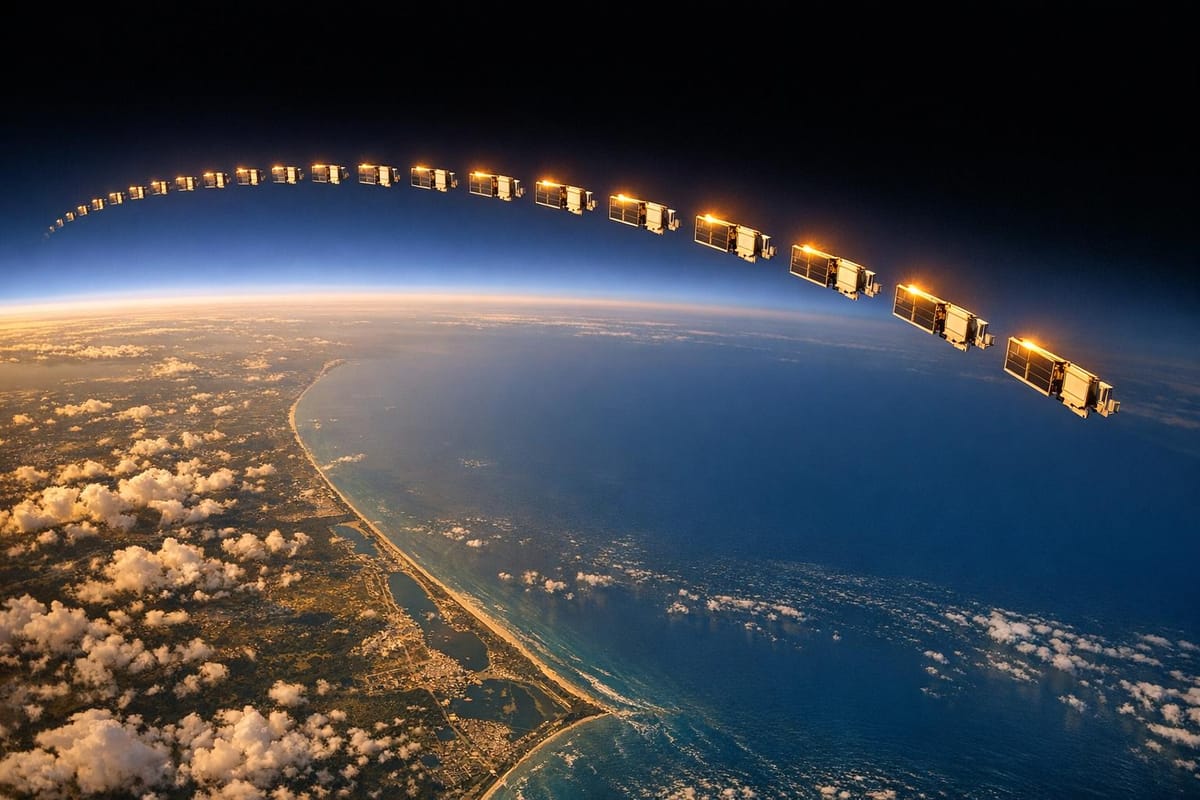
In a mid-morning launch from Cape Canaveral Space Force Station, SpaceX successfully deployed 29 Starlink V2 Mini Optimized satellites into orbit. The mission, known as Starlink 10-62, lifted off at 10:47 a.m. EDT (1447 UTC) from Space Launch Complex 40, marking a significant milestone in the company’s busy year of rocket launches.
This launch utilized SpaceX’s Falcon 9 rocket, which ascended on a northeasterly trajectory. The satellites were deployed into low Earth orbit approximately one hour after liftoff, further expanding SpaceX’s growing Starlink internet constellation.
Falcon 9's Record-Breaking Booster Performance
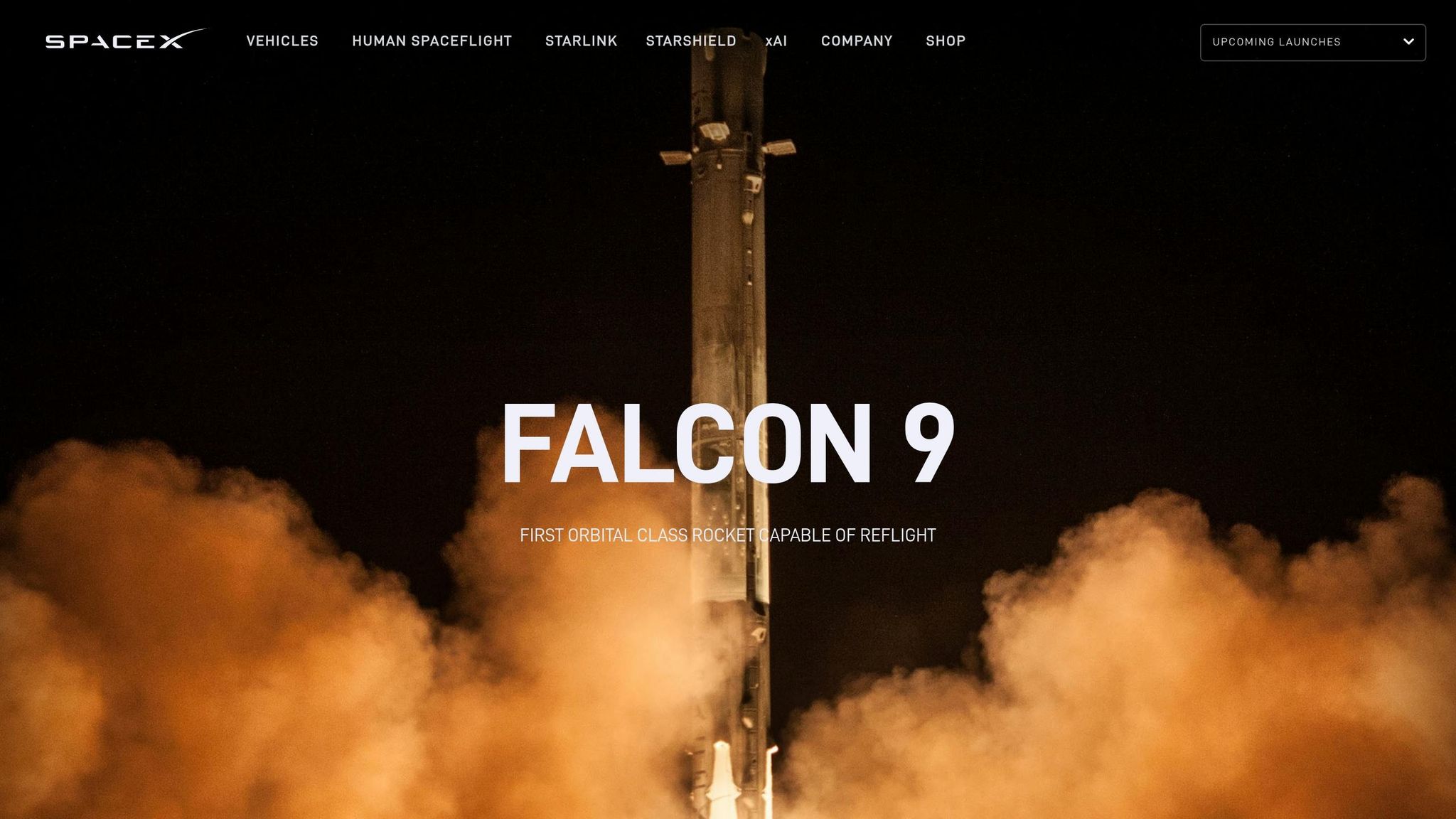
The first-stage booster of the Falcon 9 rocket used for this mission was numbered B1078, a veteran of 27 missions. It has previously launched high-profile missions, including NASA’s Crew-6, the USSF-124 mission, and 21 other Starlink batches.
In keeping with SpaceX’s emphasis on reusability, the B1078 booster successfully landed on the drone ship "A Shortfall of Gravitas", stationed in the Atlantic Ocean, approximately 8.5 minutes after liftoff. This achievement marked the booster’s 148th landing on this particular drone ship and added to SpaceX’s impressive total of 590 booster recoveries to date.
A Rapid Cadence of Launches
This was SpaceX’s 37th launch of the year, underscoring the company’s rapidly accelerating cadence of space missions. Each new batch of Starlink satellites bolsters the network's capacity to provide global internet coverage, a key component of SpaceX’s long-term plans for connectivity.
SpaceX continues to demonstrate its leadership in commercial spaceflight with the Starlink 10-62 mission, showcasing the reliability of its reusable rocket technology and its commitment to expanding access to satellite-based internet services worldwide.
Comments ()