SpaceX announces record-breaking IPO filing projected at $1.75T valuation
SpaceX is preparing a potential record IPO that could value the company up to $1.75T as soon as this week.
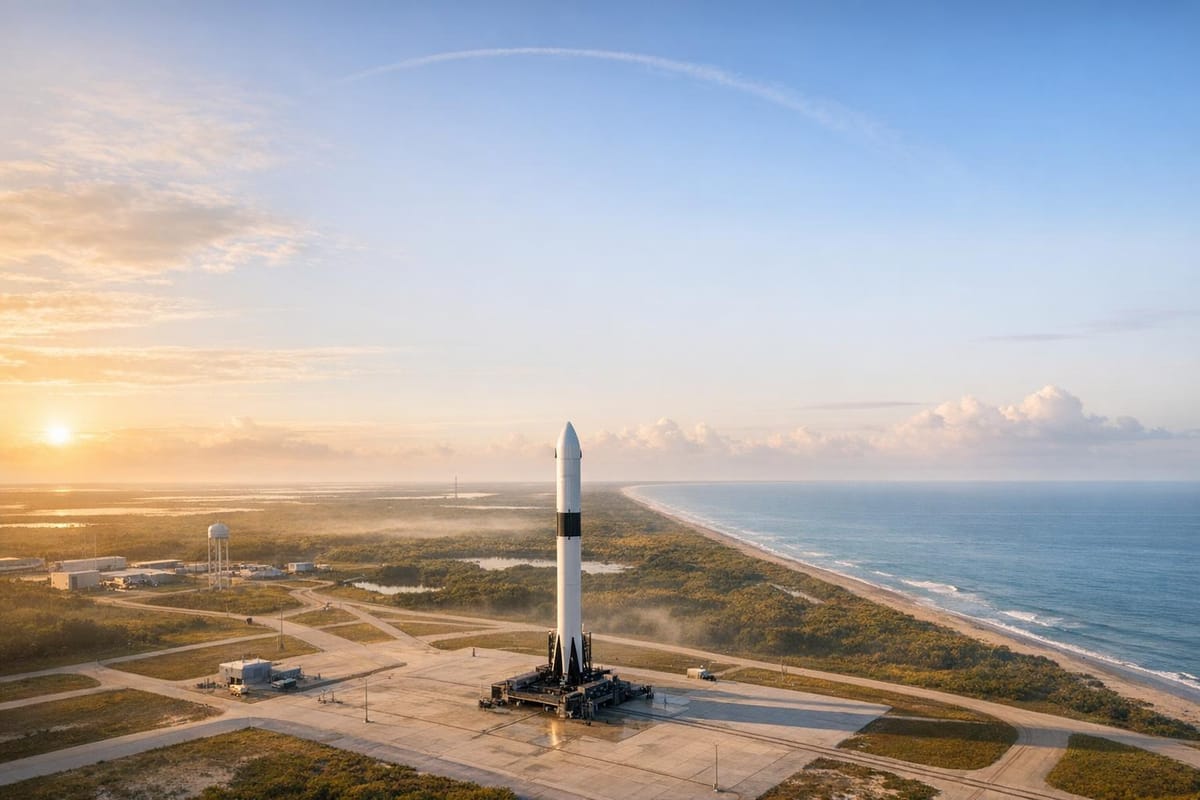
SpaceX, the groundbreaking aerospace company founded by Elon Musk, is set to make history with what could become the largest initial public offering (IPO) ever. According to sources familiar with the matter, SpaceX plans to file confidential paperwork as soon as this week, targeting a valuation that could reach an unprecedented $1.75 trillion. If successful, the IPO would eclipse all previous records, including the $29.4 billion offering by Saudi Aramco in 2019.
A Transformational Moment for SpaceX

The move marks a significant shift for the 24-year-old company, which has long resisted going public to maintain its focus on ambitious, high-risk projects without the constraints of quarterly reporting. Elon Musk, who also serves as CEO of Tesla, revealed in December 2025 that reports of a potential 2026 IPO were "accurate." Now, the company appears to be accelerating its plans, with a possible public debut as early as June.
If the IPO proceeds as anticipated, SpaceX could raise more than $75 billion in new capital, making it a transformative moment not only for the company but for the broader space sector. Analysts project the listing could propel SpaceX into the top tier of U.S. public companies by market capitalization, rivaling major technology giants.
Starlink's Role in Soaring Valuations
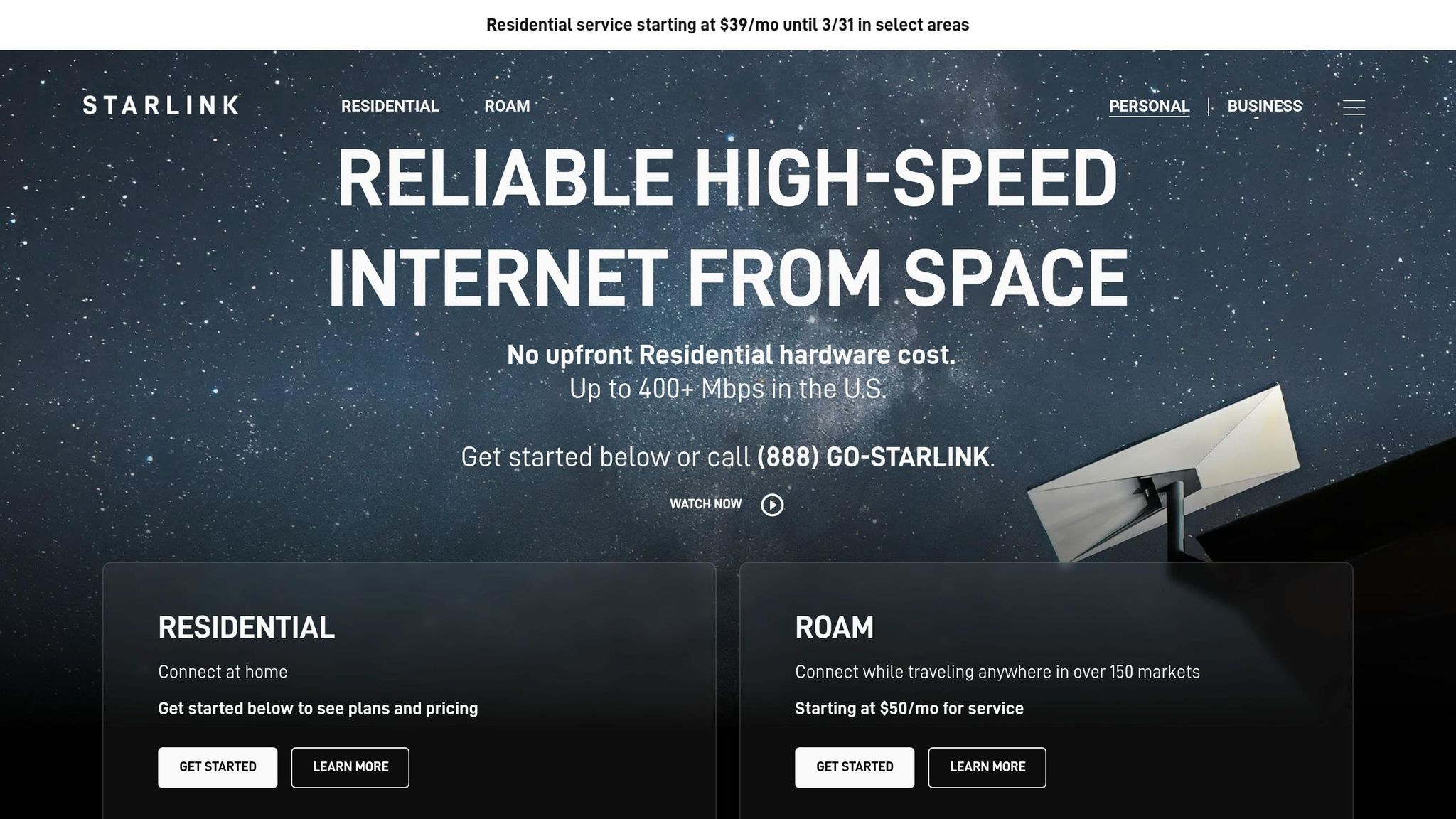
SpaceX's surging valuation is largely attributed to the success of its Starlink satellite internet service. The service, which uses a constellation of over 10,000 low-Earth orbit satellites to provide high-speed broadband, has become the company’s primary growth driver. In 2025, Starlink generated approximately $12 billion in revenue and now serves millions of subscribers worldwide, including in remote and underserved areas.
Recent estimates suggest that revenue from Starlink accounts for a significant portion of SpaceX’s total income, which analysts placed at around $15 billion last year. The recurring subscription model and high margins of the service have made it a key factor in justifying the company’s sky-high valuation.
SpaceX’s traditional rocket launch business also continues to dominate the global market. Powered by its reusable Falcon 9 boosters, the company launches more payloads than any of its competitors and serves high-profile clients like NASA, the U.S. military, and commercial customers. Meanwhile, the company’s developmental Starship vehicle remains central to Musk’s long-term vision of interplanetary travel and Mars colonization.
Record-Breaking Ambitions and Strategic Goals
Proceeds from the IPO are expected to fund a host of ambitious projects, including what reports describe as an "insane flight rate" for Starship, as well as the construction of orbital data centers powered by artificial intelligence. Earlier this year, SpaceX completed an all-stock acquisition of Elon Musk’s xAI company, further integrating space technology with artificial intelligence and computing.
Wall Street heavyweights such as Bank of America, JPMorgan, Goldman Sachs, and Morgan Stanley are reportedly in talks to lead the offering. A confidential filing with the Securities and Exchange Commission (SEC) would allow SpaceX to gauge investor interest before proceeding to full public registration.
Scrutiny and Risks Lie Ahead
While the IPO is set to unlock unprecedented capital, it also brings new challenges. As a public company, SpaceX would face greater scrutiny, including quarterly reporting requirements, transparency on costs, and accountability to shareholders. Analysts warn that this could create tension between the company’s long-term goals, such as Mars colonization, and the near-term demands of public investors.
Regulatory hurdles also loom. SpaceX’s heavy dependence on U.S. government contracts with NASA and the Pentagon could trigger national security reviews and export control considerations. Additionally, Starlink’s rapid international expansion has encountered geopolitical resistance in some regions, along with concerns about orbital debris and astronomical light pollution.
Critics have also pointed to potential governance issues stemming from Musk’s dual roles as CEO of Tesla and SpaceX, as well as his stakes in multiple ventures. However, SpaceX has largely operated independently despite Musk’s diverse commitments.
A Milestone Moment for the Space Industry
The potential SpaceX IPO has already generated immense buzz across the financial and technology sectors. News of the filing has boosted other space-related stocks, with companies like Rocket Lab, AST SpaceMobile, and Redwire seeing gains in recent trading sessions. Some analysts believe that a successful SpaceX debut could validate the broader space economy, attracting more investment to satellite communications, reusable rockets, and orbital infrastructure projects.
For investors, the IPO represents a rare opportunity to buy into the company that pioneered reusable rockets and developed the world’s largest satellite network. Although risks remain, including Starship’s developmental setbacks and competition from Amazon’s Project Kuiper, the potential rewards have stoked enthusiasm.
As filings progress, all eyes now turn to SpaceX and the SEC to finalize the details of what could be one of the most consequential IPOs in recent history. Whether the company’s valuation lives up to the hype may depend on its ability to maintain its pioneering momentum in the years to come.
Comments ()