SpaceX and Firefly Aerospace Secure Significant Government Contracts
SpaceX wins a $2.3B Space Force contract while Pentagon disputes Starlink pricing; Firefly lands a $75M NASA lunar drone contract.
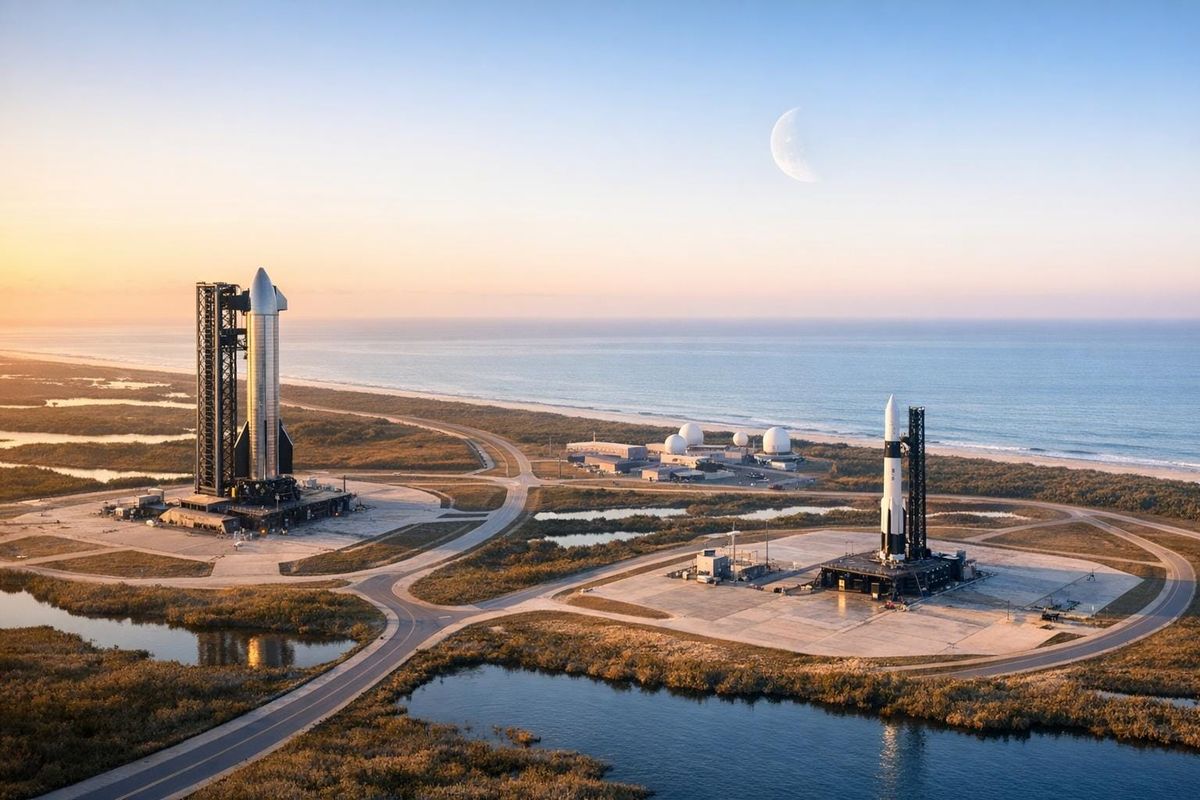
The space industry continues to make headlines with major developments this week as SpaceX and Firefly Aerospace both landed prominent government contracts, reinforcing their positions as key players in the sector. SpaceX secured a multibillion-dollar deal with the U.S. Space Force, while Firefly Aerospace confirmed a subcontract with NASA for an ambitious lunar mission.
SpaceX Wins $2.3 Billion Space Force Contract
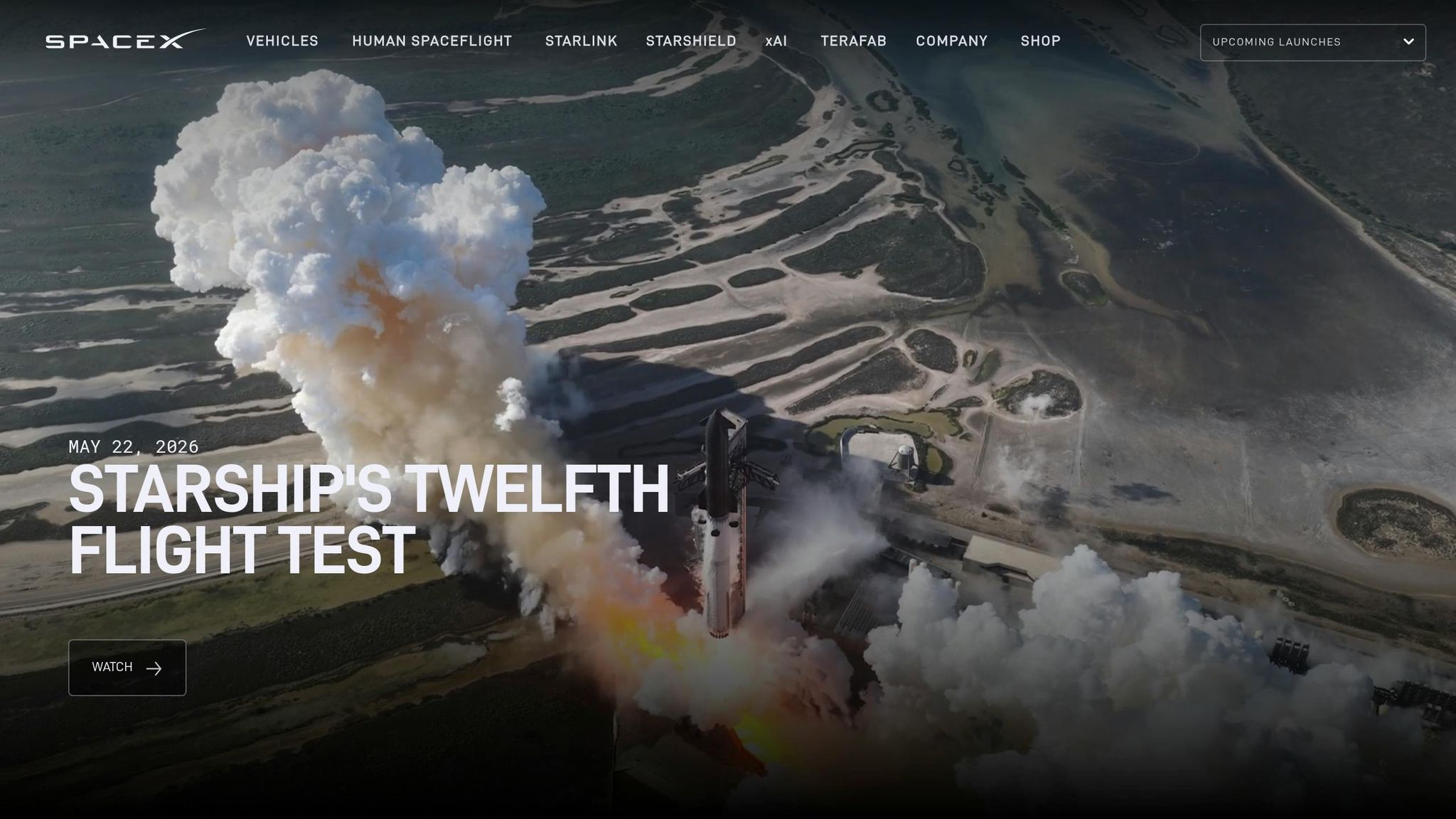
SpaceX, led by Elon Musk, has been awarded a $2.29 billion contract by the U.S. Space Force to develop a high-speed satellite communications network under the Space Data Network (SDN) Backbone program. This network aims to connect military sensors and weapons platforms globally with secure, continuous communication.
"The SDN Backbone leverages the best of commercial innovation and delivers a strong foundation for the SDN mission set - a huge benefit and enabler for our warfighters", said U.S. Space Force Col. Ryan Frazier, acting portfolio acquisition executive for Space-Based Sensing and Targeting. "The SDN Backbone supports the broader SDN, which acts as a core communications layer for the USSF warfighting systems, ensuring our sensors and shooters are connected continuously, globally and securely."
Per the agreement, SpaceX is set to deliver an operational prototype of the system by the end of 2027.
sbb-itb-6fb0794
Pentagon and SpaceX Clash Over Starlink Pricing
While SpaceX celebrated its new contract, tensions remain with the Pentagon over Starlink pricing. The dispute stems from the use of Starlink during U.S. military operations in the Iran war, particularly for drone bombardments. SpaceX argued the Department of Defense was using a higher-tier service valued at $25,000 per terminal, while paying only $5,000 per terminal.
The disagreement extended to the Pentagon’s use of SpaceX’s Starshield service, a military-specific version of Starlink. The Pentagon ultimately agreed to pay an additional $25,000 for each of the $30,000 LUCAS drones utilizing SpaceX’s network. However, disputes also arose regarding SpaceX’s proposed pricing to provide direct-to-cell Starlink connections in Iran, with the company quoting $500 million for initial setup and a $100 million monthly operational fee.
Firefly Aerospace Secures NASA Subcontract
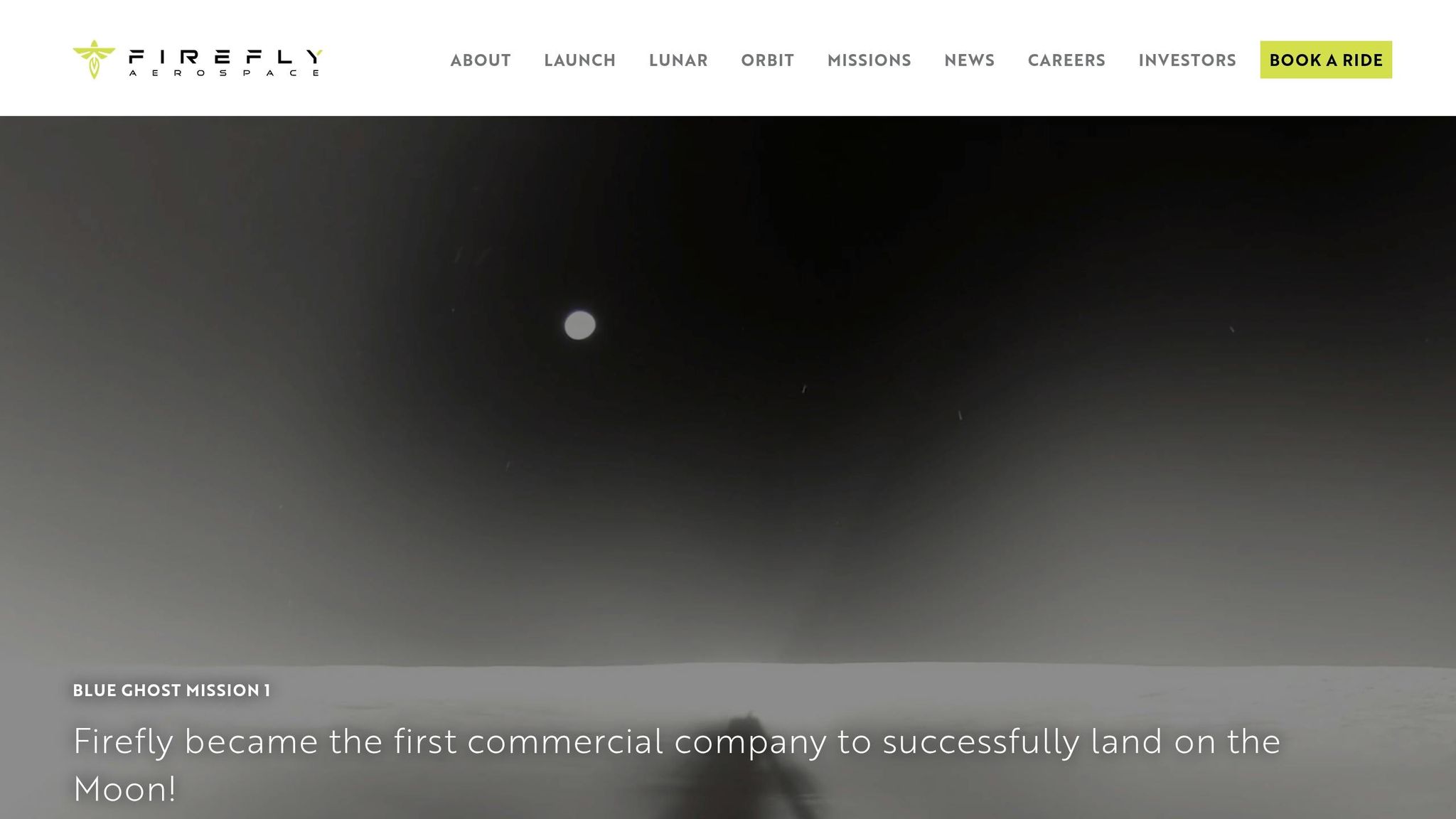
Meanwhile, Firefly Aerospace further solidified its presence in the space industry by winning a $75 million NASA subcontract. The company will deliver four drones to the Moon's South Pole as part of NASA's Moon Base initiatives, which aim to establish long-term exploration and infrastructure on the lunar surface. Firefly's Elytra spacecraft will transport the drones on a 45-day journey, deploying them roughly 50 kilometers above the Moon's surface for terrain surveying.
The MoonFall mission, integral to NASA’s broader lunar ambitions, is slated to launch no earlier than 2028, positioning Firefly as a key partner in these groundbreaking efforts.
In addition to the NASA contract, Firefly Aerospace announced plans to offer 4 million shares of common stock while selling shareholders will release an additional 8 million shares. This announcement tempered some of the company’s recent stock gains but contributed to its overall 170% surge in 2026.
Space Industry Stocks Surge Ahead of SpaceX IPO
The news of these lucrative contracts coincides with rising investor excitement around SpaceX’s upcoming IPO. The company is seeking a $1.75 trillion valuation and hopes to raise over $80 billion, potentially marking the largest IPO in history. Space stocks, including those of Firefly Aerospace, have been rallying in anticipation of this event.
In particular, Firefly Aerospace (FLY) stock climbed 3.23% to $56.91 on Wednesday, extending its 75% rally in May. Other space-related stocks, including Momentus (MNTS), Intuitive Machines (LUNR), and Redwire (RDW), also posted significant gains as optimism swells across the sector.
A Promising Future for Space Exploration
With substantial government backing and growing investor confidence, companies like SpaceX and Firefly Aerospace are shaping the future of space exploration and technology. While challenges remain, such as pricing disputes and the technical hurdles of ambitious missions, these developments underscore the pivotal role of private space companies in advancing global scientific and military objectives.
Comments ()