SpaceX Delays Falcon 9 Launch Scheduled for December 29
SpaceX delayed the final 2025 Falcon 9 from Vandenberg; COSMO-SkyMed launch pushed into early 2026, affecting investors.
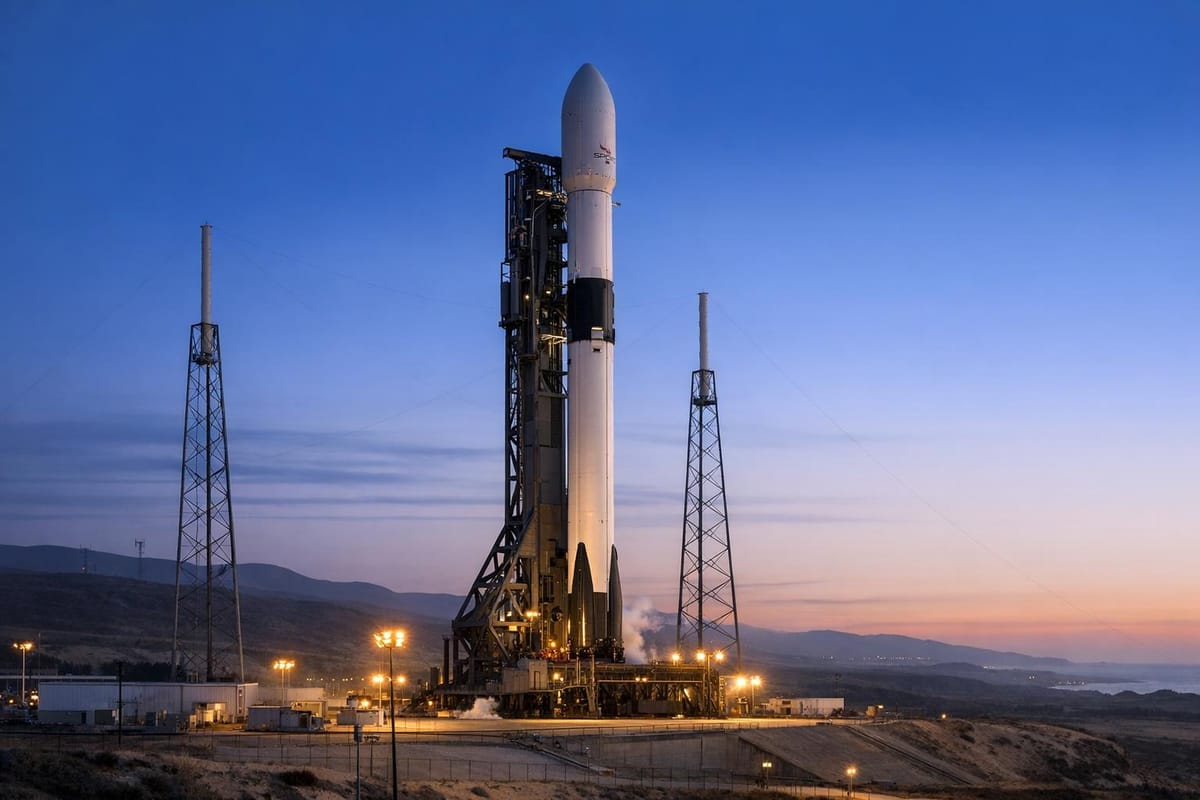
SpaceX has postponed the final Falcon 9 launch of 2025, initially planned for December 29, due to a ground system issue at Vandenberg Space Force Base in California. No new launch window has been announced, leaving the year-end mission timetable in flux and potentially pushing operations into early 2026.
Mission and Delay Details
The scheduled launch was set to carry the COSMO-SkyMed CSG-FM3 satellite, an Earth-observation payload critical for Italy’s civil and defense operations. This satellite is designed to enhance imaging capabilities for purposes like maritime monitoring and disaster response. The delay has prompted concerns regarding short-term disruptions to data continuity and operational planning for stakeholders relying on the satellite’s timely deployment.
According to reports, the delay stems from a pad-related ground system issue, which SpaceX teams are currently troubleshooting. A new launch date and time will be announced once the issue is resolved and all necessary tests are completed. "SpaceX cited a ground system issue at Vandenberg Space Force Base. Teams paused the final Falcon 9 mission of 2025 to troubleshoot and protect the vehicle and payload. No new time is posted yet. These pauses are routine in launch operations to ensure safety, data quality, and mission success", the article stated.
Potential Impacts on Stakeholders and Investors
This latest delay highlights the intricate dependencies within the space economy, where even minor schedule changes can ripple through various sectors. For investors, the delay underlines the near-term risks associated with timing-driven revenue models, as launch setbacks can affect integration slots, insurance schedules, and downstream revenue streams tied to satellite operations.
Stakeholders in the Earth-observation sector are particularly watchful, as any extended delay could necessitate adjustments to their operational plans. "COSMO-SkyMed data supports allied surveillance and emergency response, so timing matters. If slips accumulate, some users may lean on commercial alternatives or adjust tasking windows", the article noted. Additionally, timing delays could influence contracts, bridge-service agreements, and pricing structures for imagery access.
Next Steps for SpaceX
For now, SpaceX teams will work to address the ground system issue and clear the Falcon 9 for launch. Key steps include completing a static fire test, ensuring range availability, and assessing weather conditions. As reported, "If teams post a tight turnaround, it suggests a contained issue. If they extend timelines, investors should assume early 2026 execution for this mission."
Observers and enthusiasts hoping to track updates can rely on credible sources like Spaceflight Now and local outlets such as Noozhawk, which provide real-time coverage of the situation.
Conclusion
The unexpected delay of SpaceX’s final Falcon 9 mission of 2025 underscores the complexities of space operations and their broader implications for the industry. While this hiccup may push timelines into early 2026, stakeholders will be closely monitoring SpaceX’s resolution of the issue. As of now, there remains no confirmed launch date, and all eyes are on Vandenberg for the next update on this critical mission.
Comments ()