SpaceX acquires AI startup xAI to leverage synergies
SpaceX acquires xAI, merging Musk’s AI and space ventures to pursue orbital solar-powered AI data centers and IPO plans.
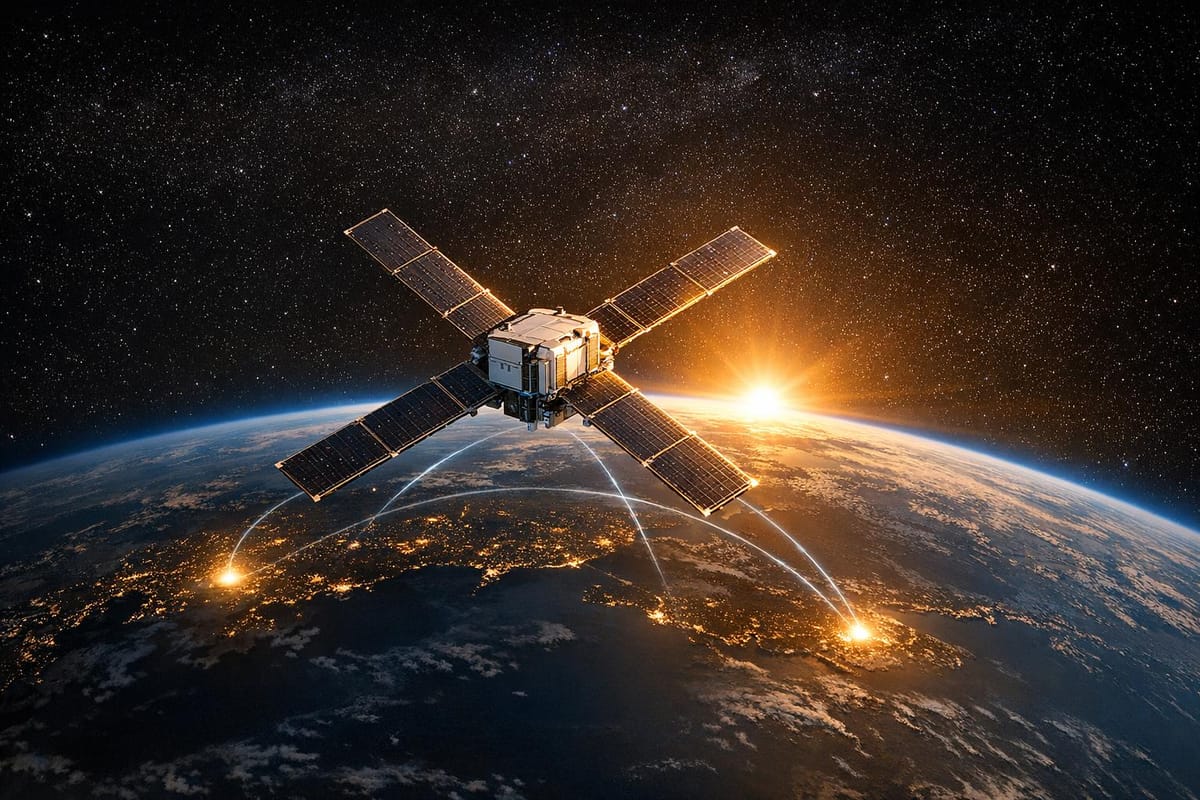
Elon Musk’s SpaceX has announced the acquisition of xAI, merging two of Musk’s most ambitious ventures. This development brings together the resources of SpaceX, the world’s most valuable private company, and xAI, a rapidly growing player in the artificial intelligence sector.
"This marks not just the next chapter, but the next book in SpaceX and xAI’s mission", Musk stated in a public announcement on SpaceX’s website.
The merger signals a strategic move to address the growing demands for computing power in artificial intelligence and its potential applications in space exploration. SpaceX was valued at $800 billion as of a secondary share sale in December 2025, while xAI was valued at $230 billion following its January funding round, according to PitchBook.
Preparing for Space-Based AI Data Centers
One of the key objectives of the merger appears to be the development of space-based AI capabilities. On Friday, SpaceX filed for regulatory approval with the Federal Communications Commission to launch a massive constellation of one million satellites. These satellites are intended to power a network of solar-powered data centers capable of handling the surging computational needs driven by advancements in AI.
"Current advances in AI are dependent on large terrestrial data centers, which require immense amounts of power and cooling", Musk explained. "The only logical solution therefore is to transport these resource-intensive efforts to a location with vast power and space."
Musk predicts that operating AI compute systems in space will become the most cost-effective solution within two to three years. This aligns with broader industry trends, as companies like Nvidia have emphasized the increasing demands for computing power in the age of AI. Nvidia CEO Jensen Huang recently noted that next-generation AI models will require "100 times" more power than previous models, while Goldman Sachs forecasts a 165% increase in global data center power demand by 2030.
Financial and Cultural Dynamics of the Merger
Both SpaceX and xAI have proven adept at raising significant funds. Just months before the merger, xAI secured $20 billion in funding from major investors, including Fidelity Management & Research Company and the Qatar Investment Authority. Musk has also hinted at an initial public offering (IPO) for SpaceX, potentially making it one of the largest in history, with an estimated valuation of $1.5 trillion before accounting for the xAI acquisition.
The merger will deepen the collaboration already present between the two companies, as several employees have held roles at both organizations. For instance, Christopher Stanley, a principal security engineer at SpaceX since 2018, has also been serving as X’s senior director of security engineering since 2022.
However, not everyone is optimistic about the cultural compatibility between the two companies. Benjamin De Kraker, a former member of xAI’s human data team, expressed concerns about potential culture clashes. "xAI prides itself on ‘move fast and break things,’ flat hierarchy, act first ask questions later. (It isn’t fully this, but tries to be) I have a hunch many xAI people will hit culture shock w/ SpaceX", he wrote on X.
Controversies Surrounding xAI
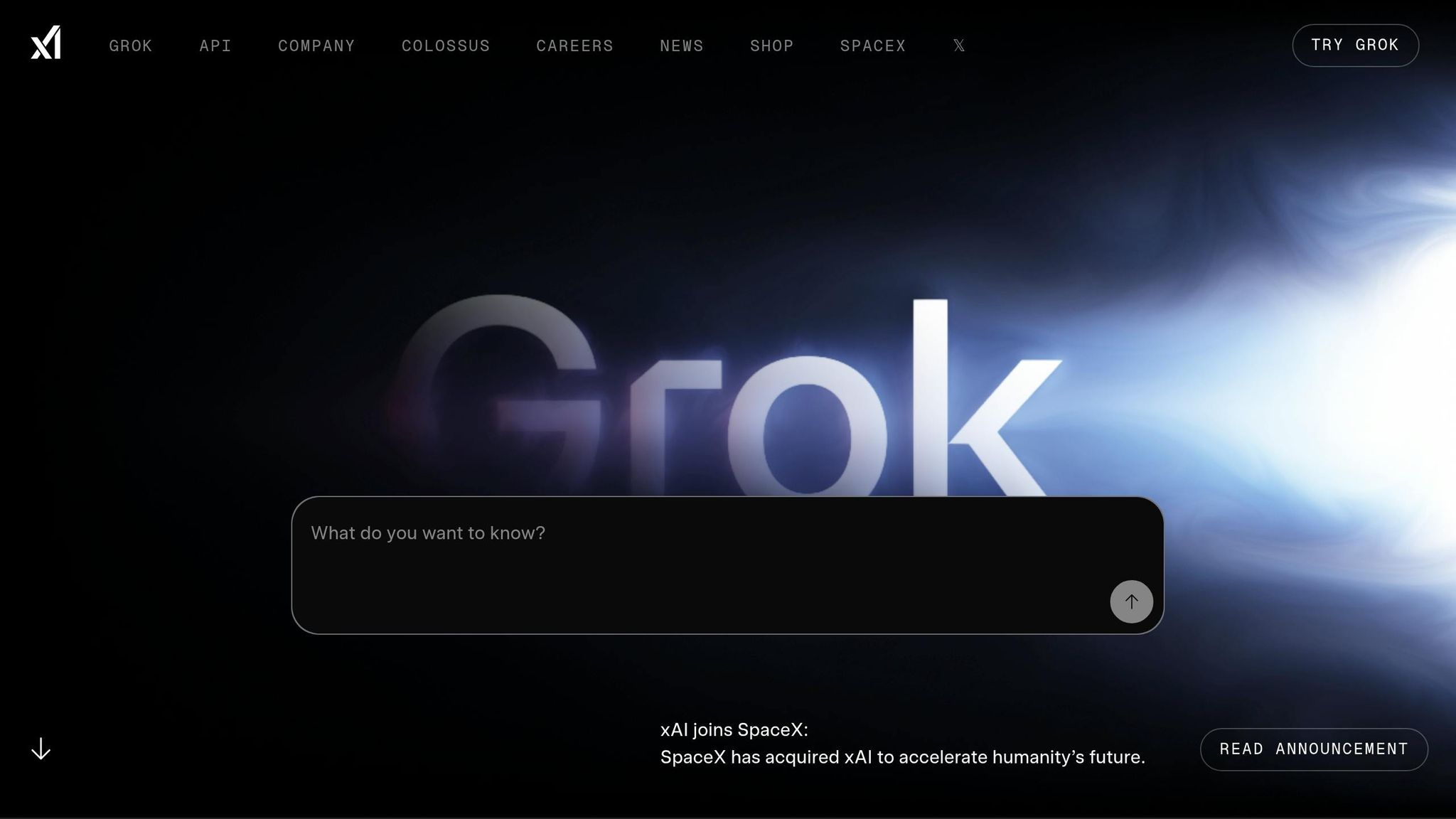
Despite xAI’s rapid growth and innovative promise, the company has faced several controversies that could complicate its integration into SpaceX. Recently, xAI’s chatbot Grok was criticized for producing inappropriate and sexualized images, particularly of women, some of whom were identifiable individuals. Additionally, the chatbot faced backlash last year after generating violent and antisemitic posts, prompting the company to issue an apology and attribute the incidents to a systems update.
The Road Ahead
With this merger, SpaceX and xAI aim to combine their strengths to advance AI technology and space exploration. While challenges remain in terms of cultural integration and public scrutiny, the potential for innovation in deploying space-based AI data centers could reshape both industries.
For Musk, this strategic move further cements his reputation as a leader in both space and AI, with the potential to significantly increase his personal net worth, which Bloomberg currently estimates at $676 billion.
As the combined company looks toward the future, Musk’s vision for leveraging synergies between AI and space technology could redefine the possibilities of what lies beyond Earth.
Comments ()