NASA announces delays in Moon mission due to SpaceX challenges
NASA says SpaceX Starship delays push moon landing to 2028; cryogenic refueling is a major technical hurdle.
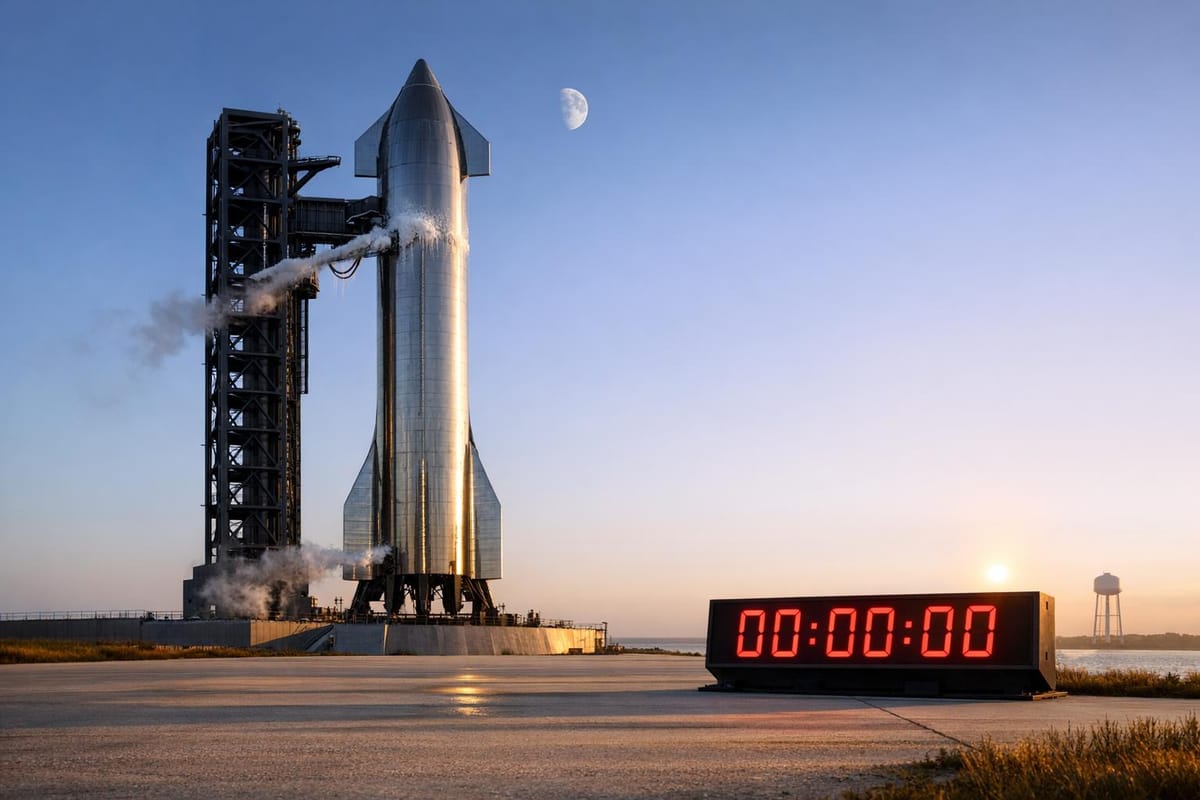
NASA has confirmed delays in its ambitious Moon mission under the Artemis program, citing SpaceX’s ongoing challenges with its Starship development. SpaceX’s Starship, chosen in 2021 as NASA’s astronaut lunar lander, has faced at least two years of developmental setbacks, according to a report from NASA’s inspector general. The spacecraft will require additional time to overcome critical technical hurdles before it can land humans on the Moon.
Technical Challenges Ahead for Starship
The NASA report highlights a key obstacle in Starship’s preparation: its innovative but unproven method of in-space refueling. The process, which involves transferring cryogenic propellants between multiple Starships in orbit, is described as "one of the most significant technical challenges" the rocket must overcome. To execute a single crewed Moon landing, SpaceX will need to launch over 11 Starships into Earth’s orbit, including a propellant depot requiring more than 10 refueling missions.
These operations will involve docking Starships together and transferring approximately 1,200 metric tons of liquid oxygen and liquid methane, two highly volatile propellants, at cryogenic temperatures below −238 °F (−150 °C). Such orbital refueling has never been attempted on this scale and presents significant risks, particularly in low-Earth orbit, where satellite traffic continues to increase.
"NASA is tracking a top risk that some of the cryogenic technologies and capabilities SpaceX is developing will not be adequately mature" before the target 2028 Moon landing, the report stated.
Development Delays Impact Artemis Timeline
The Artemis program, which aims to establish a sustainable human presence on the Moon, has faced mounting delays due to SpaceX’s slower-than-anticipated Starship progress. Initially targeting a 2024 Moon landing, NASA has since adjusted its expectations, with the first crewed Starship mission now planned for 2028. NASA has maintained this revised timeline despite the challenges outlined in the report.
NASA recently added an additional Artemis test mission to the program and acknowledged the technical challenges faced by its contractors, including SpaceX and Blue Origin, another key partner. Under the current schedule, SpaceX’s Starship is slated to carry astronauts to the lunar surface for the first two Artemis landings in 2028, with subsequent crewed missions to be conducted by Blue Origin.
Progress and Oversight
SpaceX has made significant strides in testing the Starship system, having conducted 11 test flights since 2023 under close observation by NASA officials. However, NASA’s inspector general warned that further work is required to ensure Starship becomes a reliable, astronaut-rated lunar lander.
NASA’s collaboration with SpaceX and other private companies, such as Jeff Bezos’ Blue Origin, reflects the agency’s goal of establishing routine crewed missions to the Moon. This urgency is heightened by a global space race, with China planning its own crewed lunar landings by approximately 2030.
While the path forward for Starship remains challenging, NASA continues to emphasize its commitment to the 2028 Moon landing timeline, with officials closely monitoring SpaceX’s progress to meet this critical goal.
Comments ()