FCC Updates Rules Potentially Boosting Starlink Capacity Sevenfold
FCC updates spectrum rules could let Starlink boost capacity up to seven-fold, improving satellite internet performance.

SpaceX's satellite internet service, Starlink, is poised for significant growth following a major regulatory update by the Federal Communications Commission (FCC). The new rules, approved last week, could enable Starlink to increase its capacity by as much as seven times, marking a significant step forward for satellite-based broadband services.
FCC Modernizes Satellite Spectrum Regulations
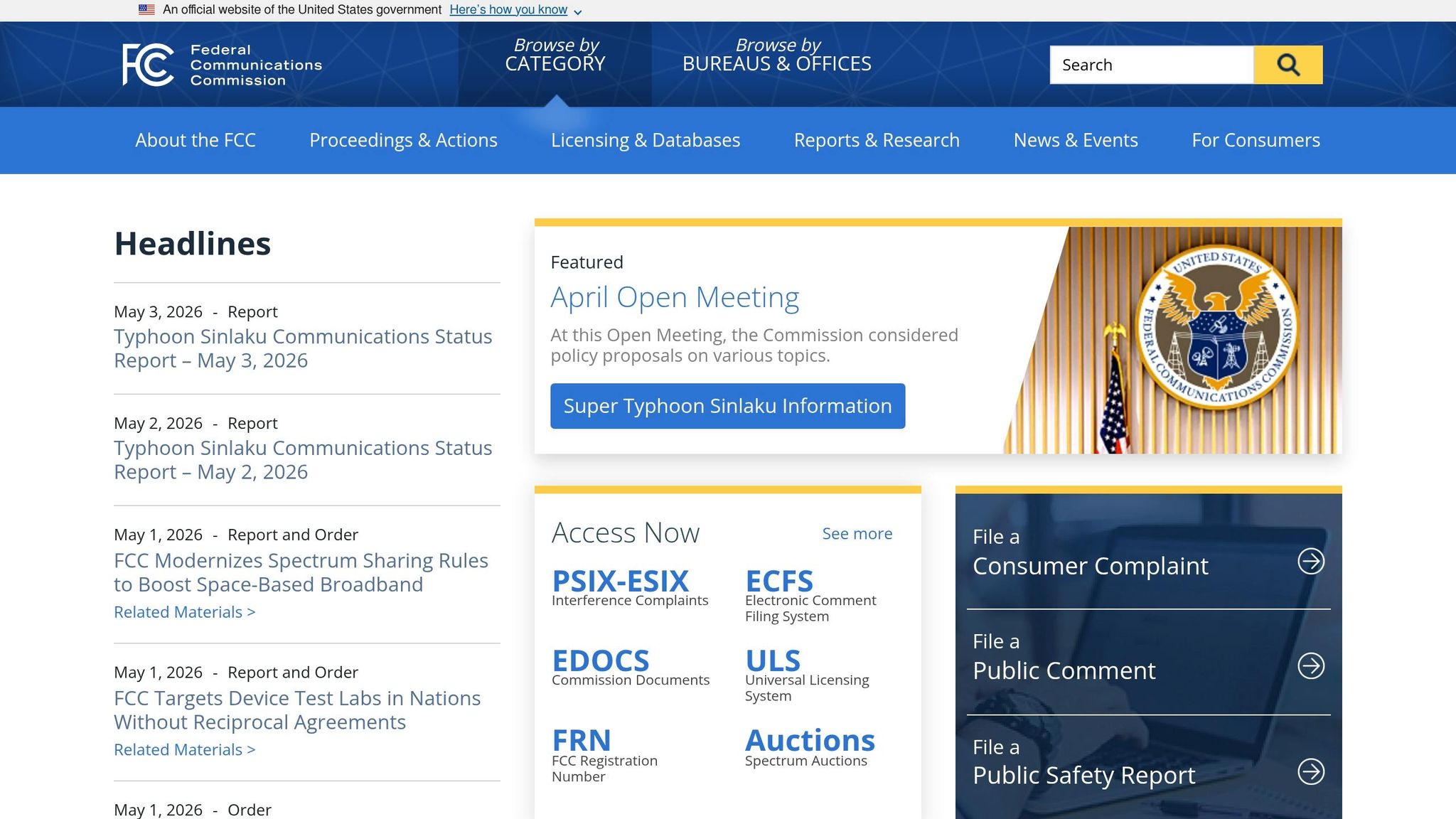
In a landmark decision, the FCC voted to replace decades-old satellite spectrum-sharing rules originally designed in the 1990s. The updated framework introduces performance-based measures that accommodate advancements in technology, such as adaptive coding and modulation. According to the FCC, these changes are expected to improve internet speeds, reliability, and costs for satellite broadband providers.
"This change could also unlock more than $2 billion in economic benefits for the American people and up to seven-fold more capacity for space-based broadband services", the agency stated in a press release.
The decision follows the FCC's announcement in early April that it would allow "greater and more intensive use" of wireless spectrum for space activities. The move is expected to foster innovation and expand the capabilities of satellite systems like Starlink.
sbb-itb-6fb0794
Opposition from Competitors
While SpaceX has been advocating for these changes since August 2024, not everyone in the industry agrees with the FCC's decision. Competitors such as Viasat Inc. and DirecTV have raised concerns about potential interference risks. They argue that the higher power levels permitted under the new rules could disrupt their satellite systems.
SpaceX, countering these objections, argued that the previous regulations were overly restrictive for next-generation satellite systems. Despite industry pushback, the FCC's decision signals regulatory momentum in favor of advancing satellite internet technologies.
Starlink's Growing Role in SpaceX’s Strategy
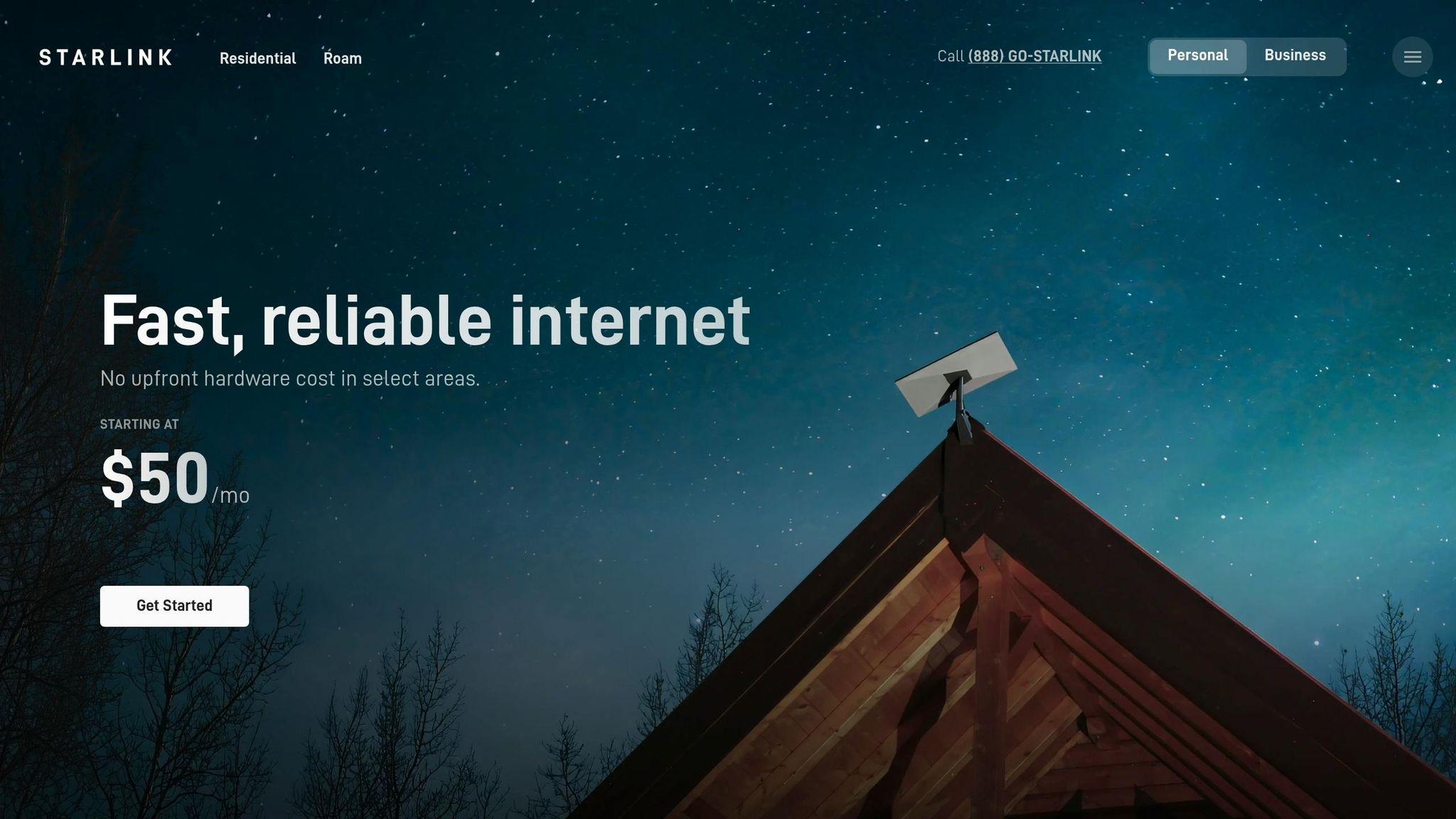
Starlink remains a central component of SpaceX's business model and financial outlook. Recent reports indicate that Starlink contributed approximately 65% of SpaceX's revenue in 2025, highlighting its critical importance to the company's valuation. As SpaceX eyes a potential $1.75 trillion valuation, Starlink's capacity expansion could further bolster its market position.
Adding to its regulatory progress, the FCC in January authorized SpaceX to deploy 7,500 second-generation Starlink satellites. These satellites are anticipated to support direct-to-cell connectivity and deliver internet speeds of up to 1 gigabit per second, further enhancing Starlink’s offerings.
Challenges Ahead for Starship and Satellite Deployment
Despite regulatory wins, SpaceX faces technical challenges. The company is working to overcome delays in its Starship V3 rocket system, which is expected to deploy larger, more powerful Starlink satellites. SpaceX has stated that each Starship V3 launch could increase satellite capacity by over 20 times compared to its current satellites. However, development bottlenecks remain a hurdle for the deployment of this next-generation system.
As the FCC’s new rules take effect, all eyes are on SpaceX to see how these changes will impact Starlink’s growth trajectory. With the potential for a sevenfold capacity increase, the company is well-positioned to capitalize on these regulatory updates and strengthen its leadership in the satellite broadband market.
Comments ()